How to Clean Epoxy Resin Garage Flooring
2 April 2026
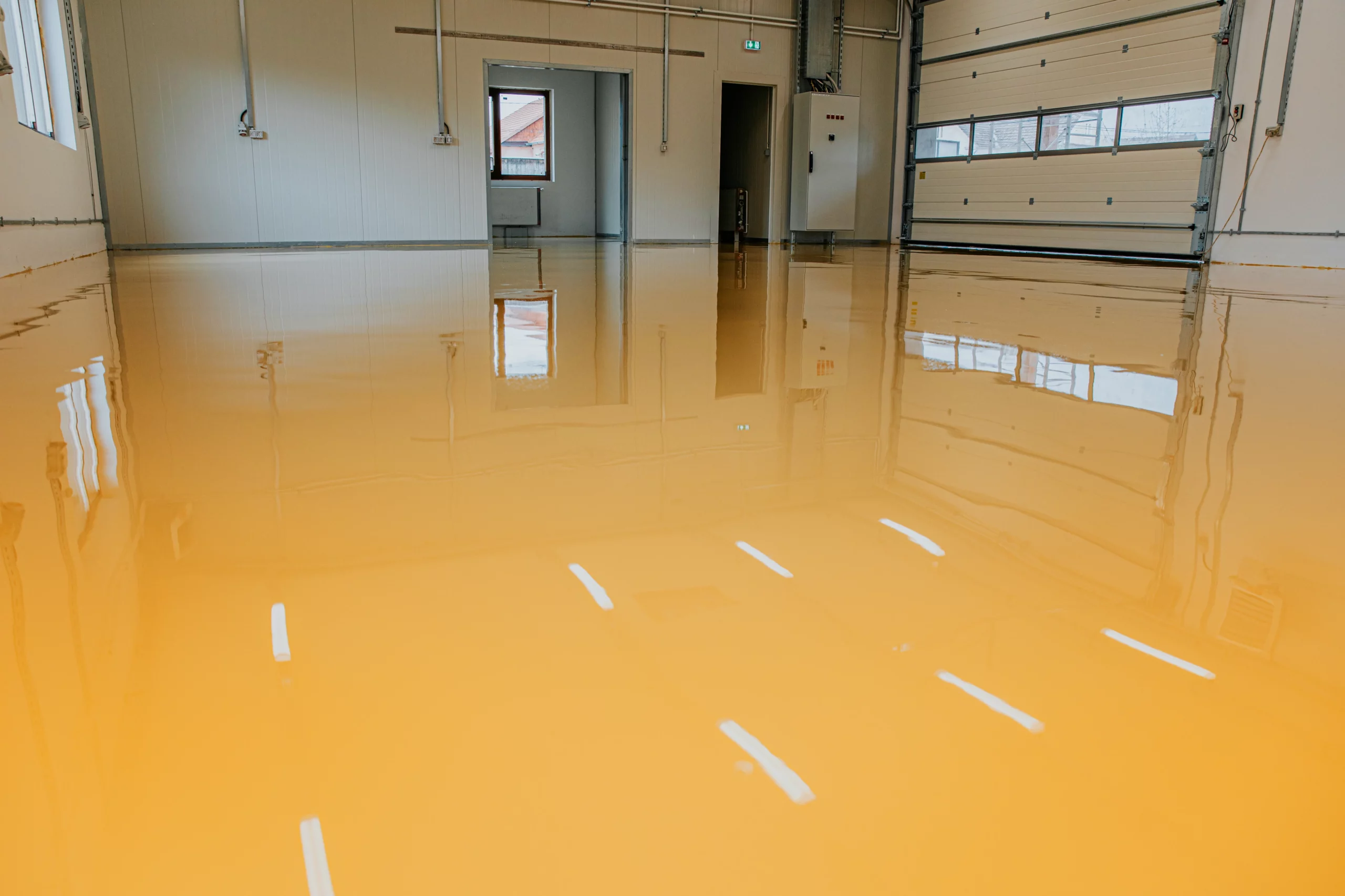
Your garage flooring has been laid and is looking squeaky clean and professional, with the resistant features to withstand harsh chemicals. However, these features won’t last unless you ensure that you do some regular and thorough cleaning.
Why Do Garage Floors Require Regular Cleaning?
Beyond the obvious need to get rid of reoccurring dust and grime, regular maintenance of your garage floor helps in the upkeep of garage safety, prevents further damage, and maintains the professional look you have carefully curated.
Maintains Adhesion and Prevents Damage
Road salts, chemical residues, oil, dirt and grit can begin breaking down the epoxy surface of your garage floor, compromising its durability. Oil and grease are particularly harmful because they cause the resin to soften over time. This can lead to peeling, bubbling or delamination which can require specialised maintenance to fix.
Extends the Lifespan of the Floor
In general, clean surfaces reduce abrasion. Materials such as grit and sand, which can be a regularly left by vehicles coming in and out for servicing, can prematurely wear down the topcoat and damage the flooring underneath. However, regular cleaning helps to preserve the protective layer, preventing early failure.
Improves and Maintains Safety
When dirt, oil and moisture build up, they can make your garage floor slippery, leading to potential accidents and injuries. Cleaning the surface of the epoxy floor coating helps to reduce slip hazards, especially in garages where water, snow, or automotive fluids are common.
Preserves Chemical Resistance
Epoxy resin flooring is specially designed to resist hazardous chemicals, but this feature can be tested when your flooring is exposed to dirt and oil for prolonged periods. Applying appropriate epoxy floor care removes these corrosive substances before they cause surface degradation.
Keeps Appearance Looking Fresh
The professional shine of resinous floors is one of the reasons they are so often installed. Cleaning the surface regularly keeps the glossy or satin finish intact, helping to prevent dulling and uneven wear.
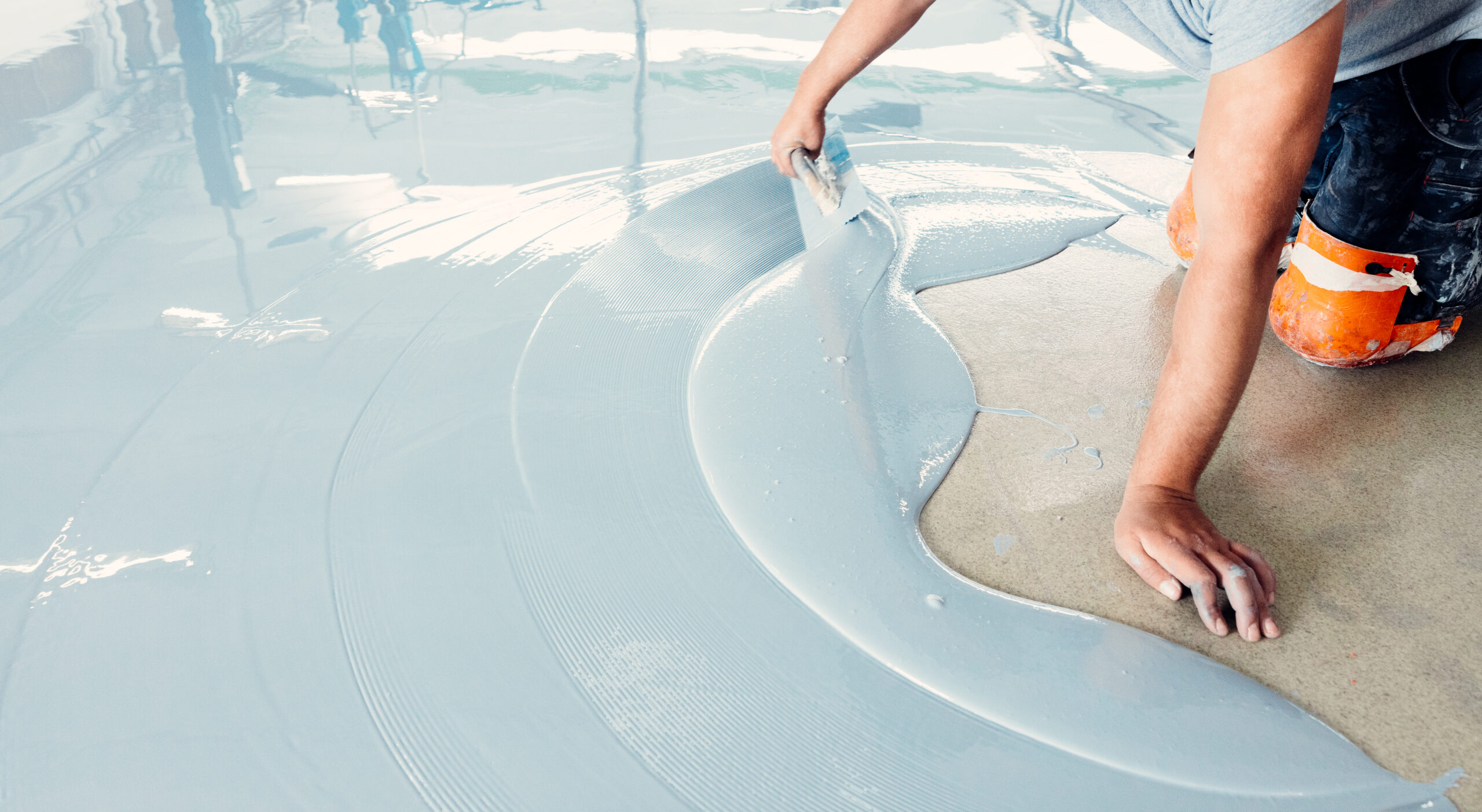
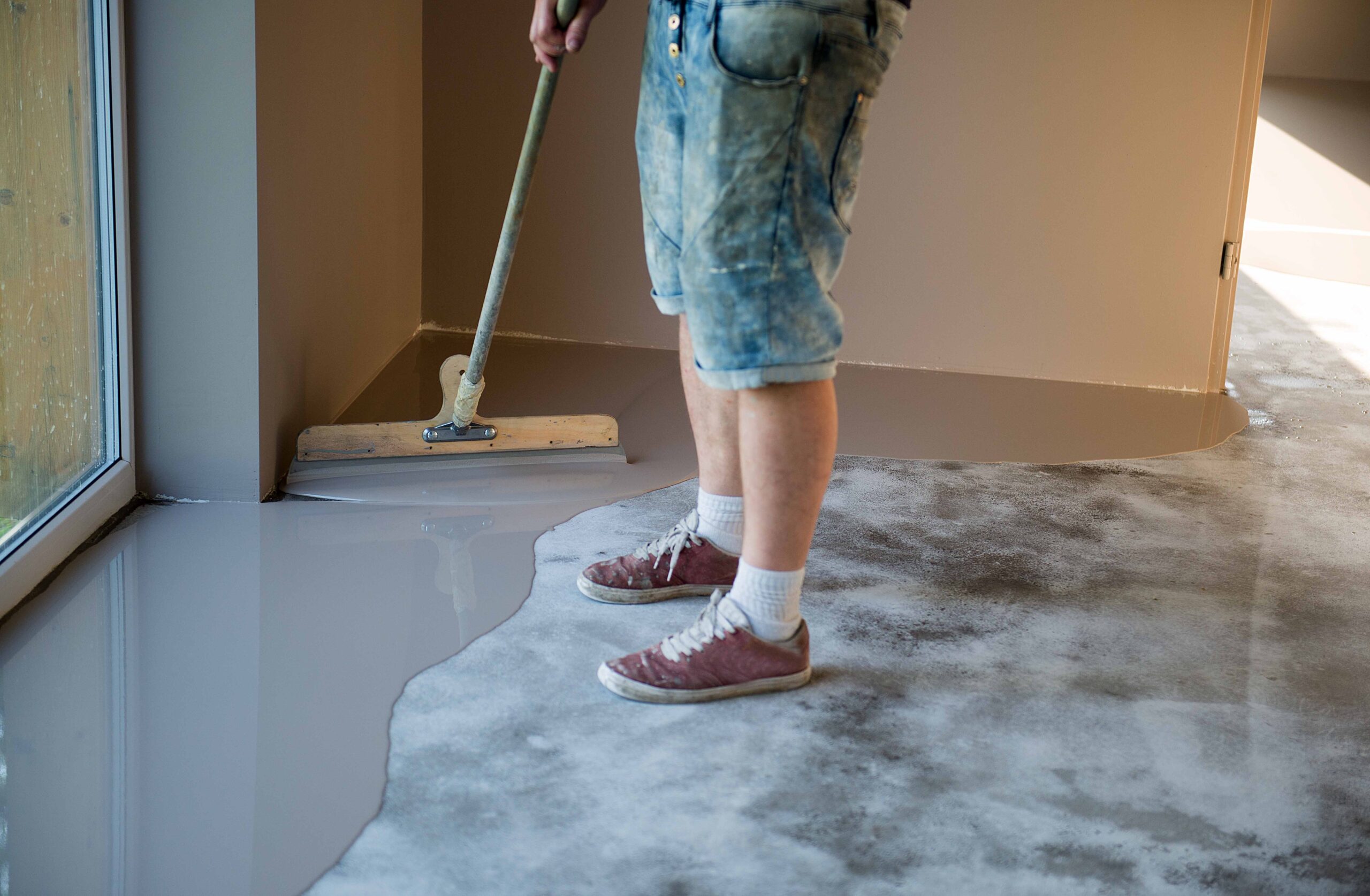
Our Epoxy Resin Floor Coatings range from 500 microns to 1mm thick, and can be applied as a top coat to most surfaces, including stone or concrete. Thicker and tougher than any paint, epoxy and resin epoxy add a robust layer of protection to industrial and high-traffic areas with their resistant properties. With several high-quality colours available, including clear epoxy coating, these coatings are suitable for many environments and aesthetics.
Epoxy Resin Flooring: How to Clean
Cleaning an epoxy resin floor is straightforward; however, the methods differ depending on the type of clean and the areas that you want to target.
Routine Cleaning (Weekly or Bi-Weekly)
A swift but thorough routine clean every week or two helps you keep on top of the state of your epoxy flooring. Loose dirt, sand and grit are the biggest causes of surface scratching and dulling. To combat these issues, use a microfibre dust mop for larger garages or a soft push broom for any heavy debris. A vacuum cleaner with a soft floor attachment will also do the job for corners and edges.
Work from the back of the garage towards the door, keeping a sharp eye on any tyre paths where grit collects. If you leave sweeping until you come to wash the floor, you risk grinding the grit into the coating.
When you come to prepare your cleaning solution, make sure that you choose either a PH-neutral cleaner or a few drops of a mild dish soap. Mix this with warm (not hot) water with around 1-2 teaspoons of mild detergent per gallon of water. Use of strong, more abrasive cleaners can leave a residue that attracts dirt and can make the floor slippery or dull over time.
Once you are ready to start mopping, use a flat or string microfibre mop or sponge mop and run it over the floor in overlapping passes. Wring the mop well at rinsing intervals to ensure your epoxy flooring is damp rather than soaked. Once you have rinsed the floor, allow it to air dry, preferably with the garage door open.
Removing Oil, Grease, or Tyre Marks
Acting quickly to remove debris and stains from chemical spills or tyre marks is essential to prevent permanent damage.
While epoxy is able to resist oil, prolonged exposure enables contaminants to seep into micro-pores, increasing the chances of the surface becoming stained or softened. Blot any fresh spills with paper towels, rags or absorbent pads. Avoid wiping in circles so you don’t spread the oil further, and try not to let vehicles sit over the spills.
To prevent stubborn stains from thick or pooled oil, sprinkle cat litter, sawdust, baking soda or commercial air absorbent on the surface and let it sit for 10-30 minutes. Once the time has elapsed, sweep these up completely before applying a degreaser.
When choosing a degreaser, choose an epoxy-safe, non-acidic product, a mild alkaline cleaner or any automotive degreaser labelled as safe for coated floors. Avoid undiluted, heavy-duty industrial degreasers or ones that are citrus based, as these can soften epoxy. Begin with the mildest recommended dilution and increase only if necessary. Apply the degreaser to the stained area only while letting it sit for 3-5 minutes.
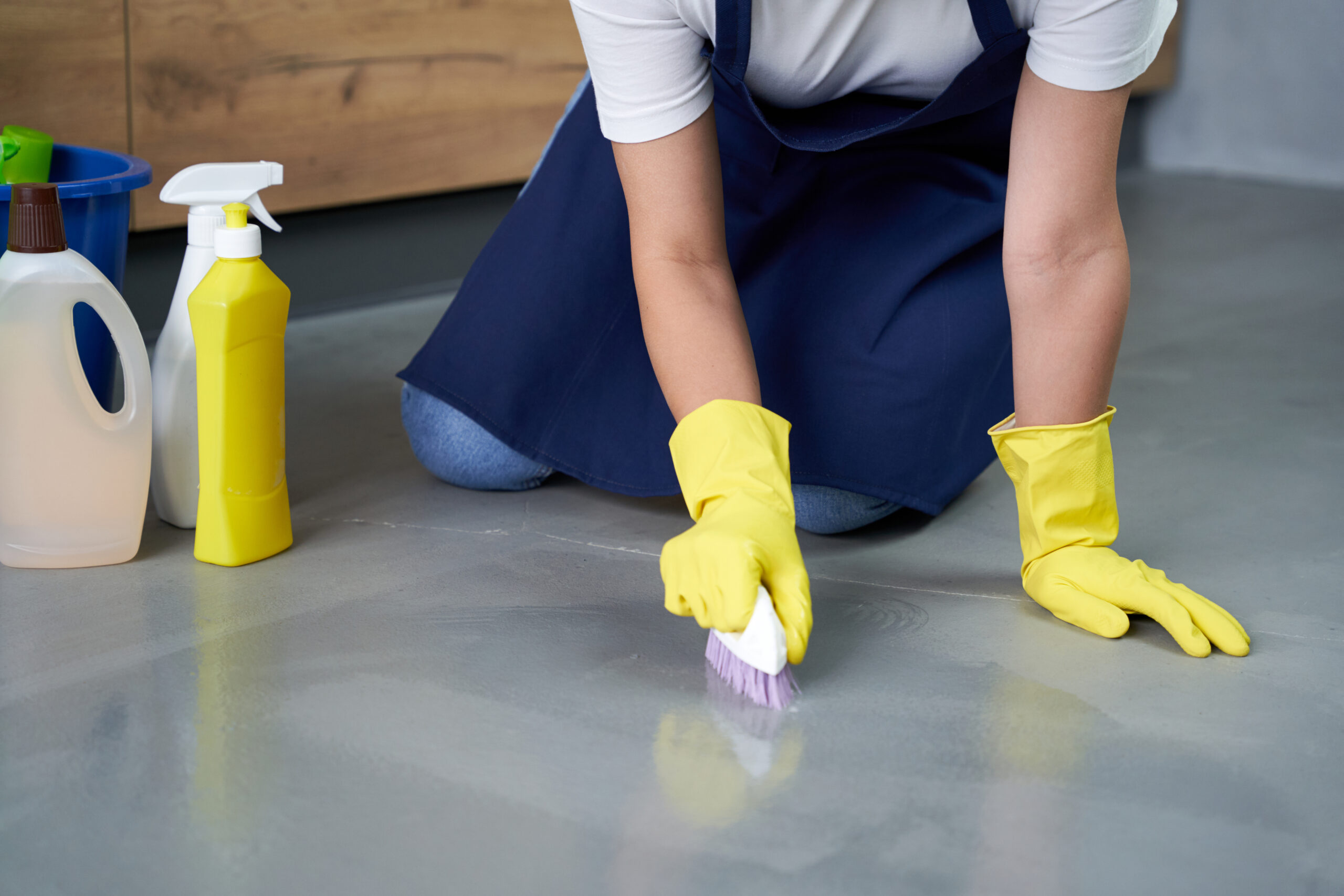
Once the product has sat, you can then gently scrub with a soft nylon brush, a non-abrasive scrubbing pad or a microfibre cloth. Use warm water to help loosen residue before rinsing with clean water immediately after scrubbing.
Deep Cleaning (Every 3-6 Months)
While regular cleaning is essential to maintain the appearance and safety of your floor, a deep clean every so often depending on how high-traffic your garage is helps to get rid of excess dirt and debris.
Before you begin the cleaning process, clear and inspect the surface, removing vehicles, mats, and heavy machinery. Sweep or vacuum the epoxy flooring thoroughly, making sure not to miss out any edges or expansion joints. As you do this, inspect the surface for stains, dull patches or residue buildup.
You can then pre-treat any problem areas like oil spots, tyre marks, or heavily trafficked lanes. To do this, follow the steps above.
When preparing the deep cleaning solution for your garage floor, mix half a cup of clear household ammonia per gallon of warm water. The ammonia will work to cut grease and residue without leaving a film or damaging the epoxy when it is properly diluted. Alternatively, you can use a commercial epoxy-safe floor cleaner.
Apply the cleaner evenly in manageable sections with a microfibre mop, a soft deck brush or a sponge mop. Ensure that you keep the floor damp (not flooded) and do not let the cleaner dry on the surface. Allow 5-10 minutes of dwell time before applying a scrubber with light to moderate pressure in overlapping passes or a cross-hatch happen.
While deep cleaners lift a lot of residue, if floors aren’t rinsed properly this residue re-settles and dulls the flooring finish. When the rinsing is complete, remove any standing water with clean microfibre mops and allow to air dry.
Keeping your epoxy floor coating clean may seem like a chore, but it is well worth it when your floor can maintain a sparkling, seamless finish.
For information about our epoxy resin flooring or any further cleaning advice, get in touch with a member of our team. Alternatively, click here to get a flooring quote.