What Type of Flooring is used in Pharmaceutical Laboratories?
20 July 2026
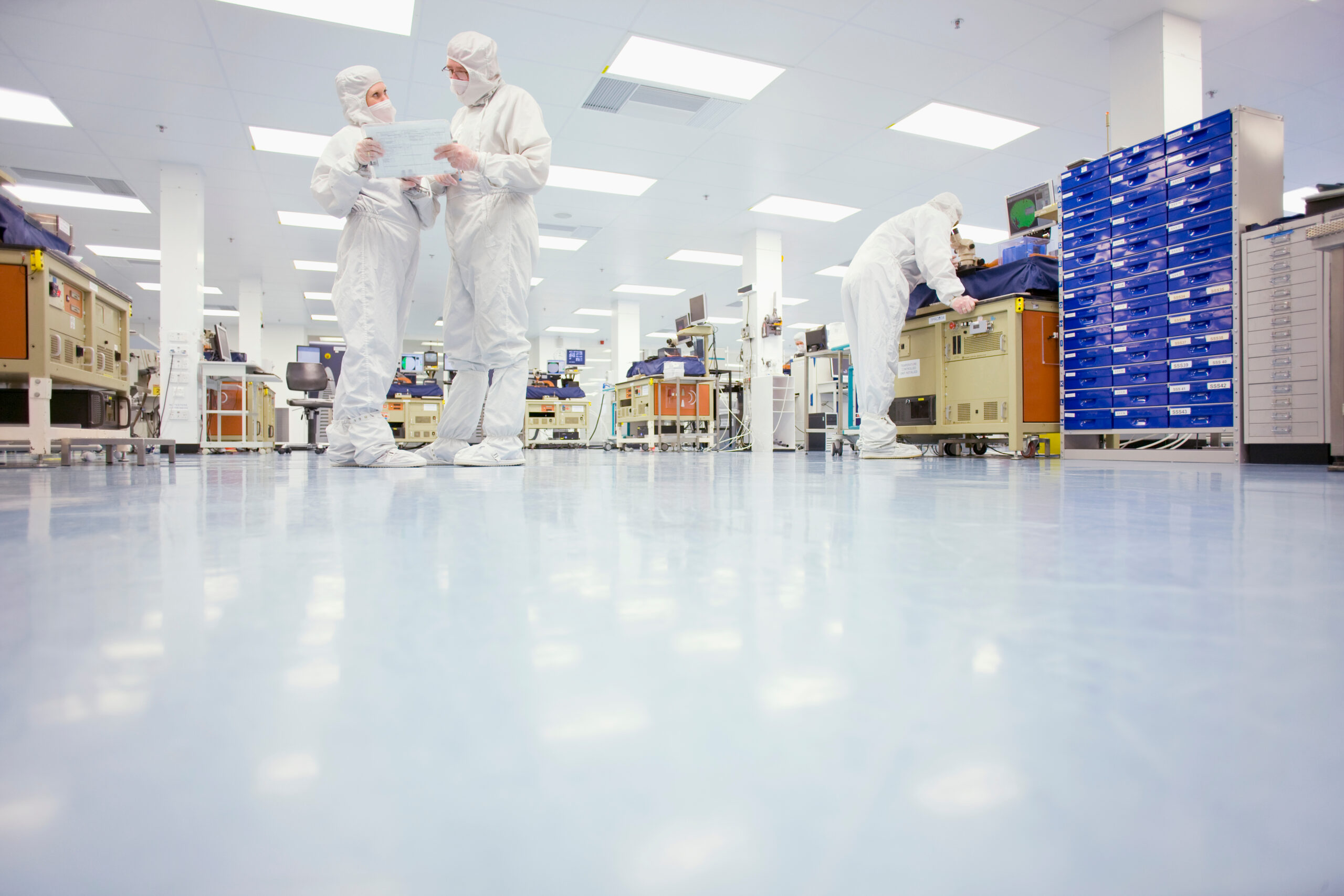
In a pharmaceutical laboratory, every surface plays a critical role in maintaining research integrity, personnel safety and compliance with regulatory standards. The flooring in a pharmaceutical lab is a primary line of defence against contamination, chemical degradation, and physical hazards. Choosing the wrong flooring can lead to costly repairs, compromised experiments, regulatory non-compliance, and even serious health risks.
Selecting the right flooring system ensures a hard-wearing, hygienic foundation that supports the lab’s health and safety.
The Specific Demands of Pharmaceutical Laboratory Environments
Pharmaceutical laboratories are among the most demanding environments for flooring materials. Unlike standard office spaces or even general industrial settings, these facilities must withstand a combination of challenges:
- Chemical Exposure: Labs routinely handle aggressive solvents, acids, bases and biological agents. Spills are not uncommon, and laboratory flooring must resist corrosion, staining and degradation from these substances.
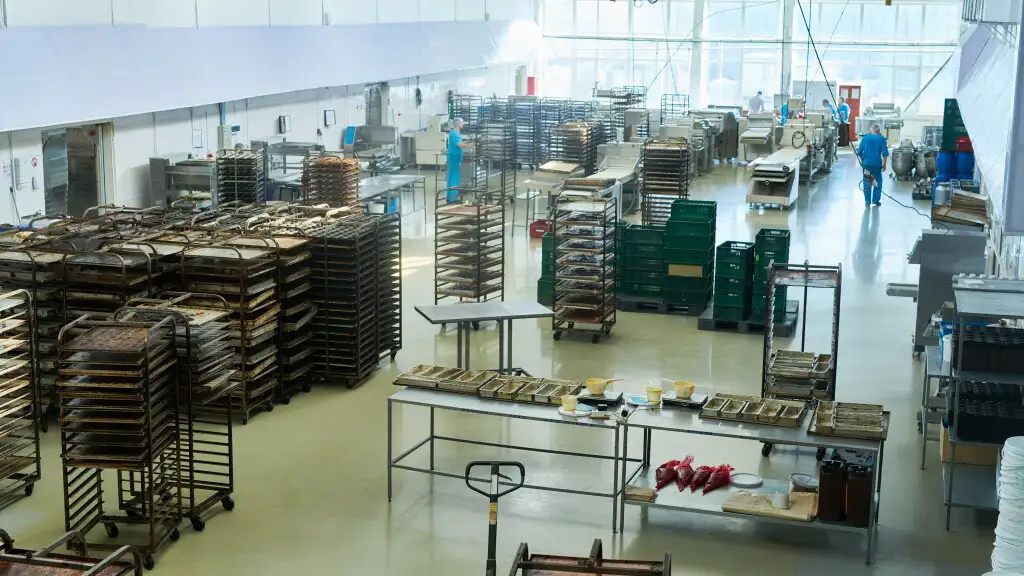
- Hygiene and Sterility: Maintaining a sterile environment is important. Flooring must be non-porous and easy to clean to prevent the accumulation of bacteria, mould or particulate matter that could contaminate laboratory environments.
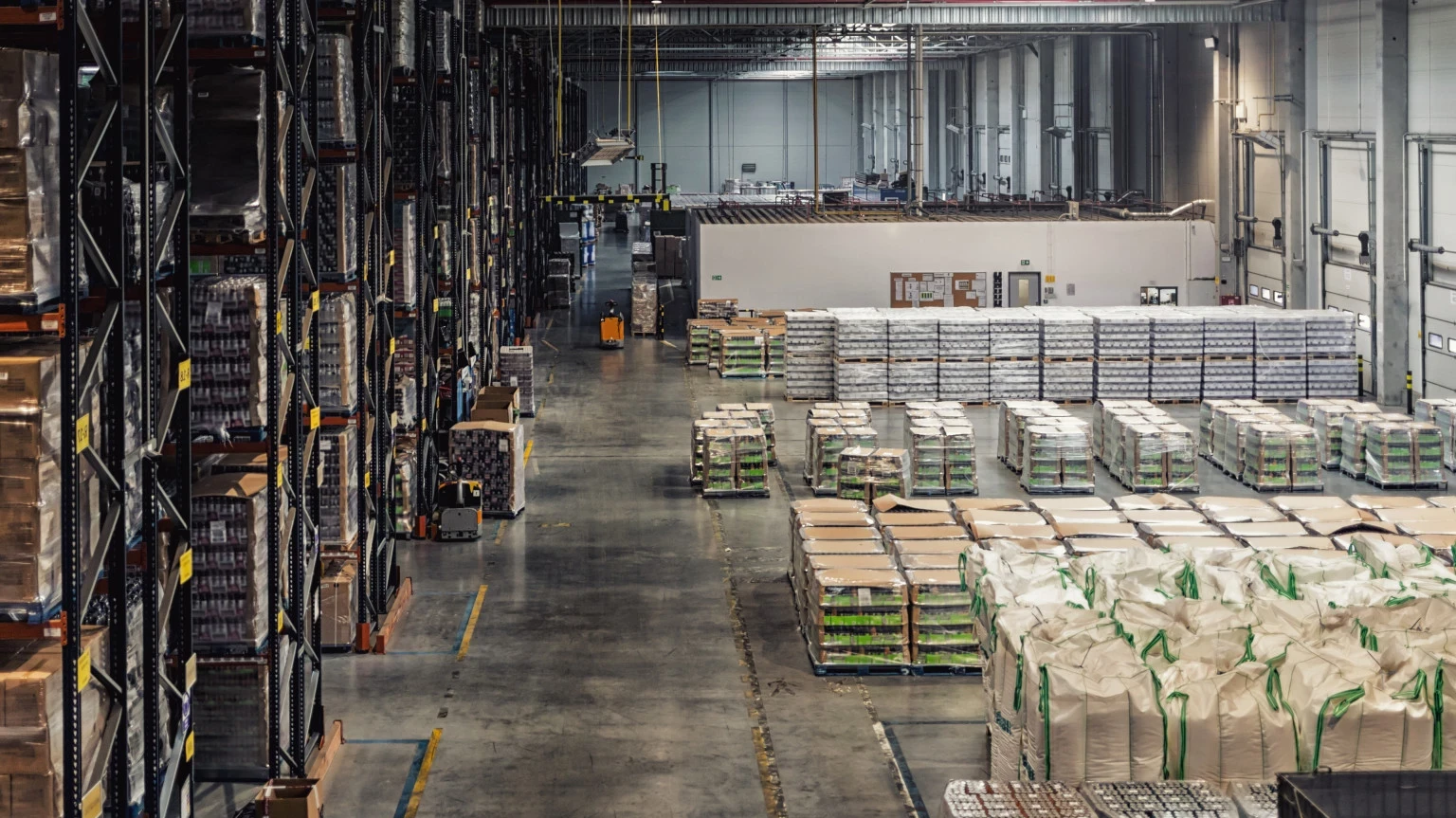
- Mechanical Stress: Heavy equipment, rolling carts, and frequent foot traffic create significant mechanical wear. The floor must resist impact, abrasion and indentation without cracking or delaminating.
- Thermal and Electrical Safety: Some areas may experience temperature fluctuations or require static dissipation to protect sensitive electronic equipment or prevent ignition of flammable vapours.
- Regulatory Compliance: Facilities must adhere to strict guidelines to keep the laboratory environments compliant and safe.
Failure to meet any of these requirements can result in failed inspections, product recalls or compromised research data. Therefore, the flooring selection process must be rigorous and evidence-based.
Key Criteria for Flooring Selection
When evaluating laboratory flooring material options, several key criteria should guide the decision-making process:
- Chemical Resistance: The laboratory flooring material must withstand prolonged exposure to a wide range of chemicals without degrading, including resistance to: acids, solvents and oxidising agents.
- Impermeability: Joints and seams are potential harbours for contaminants. The ideal flooring system is poured or welded to create a solid surface with no gaps where microbes or dirt can accumulate.
- Ease of Cleaning and Maintenance: The surface should allow for frequent cleaning with harsh disinfectants without losing its integrity. It should also be resistant to staining and easy to inspect for any damage.
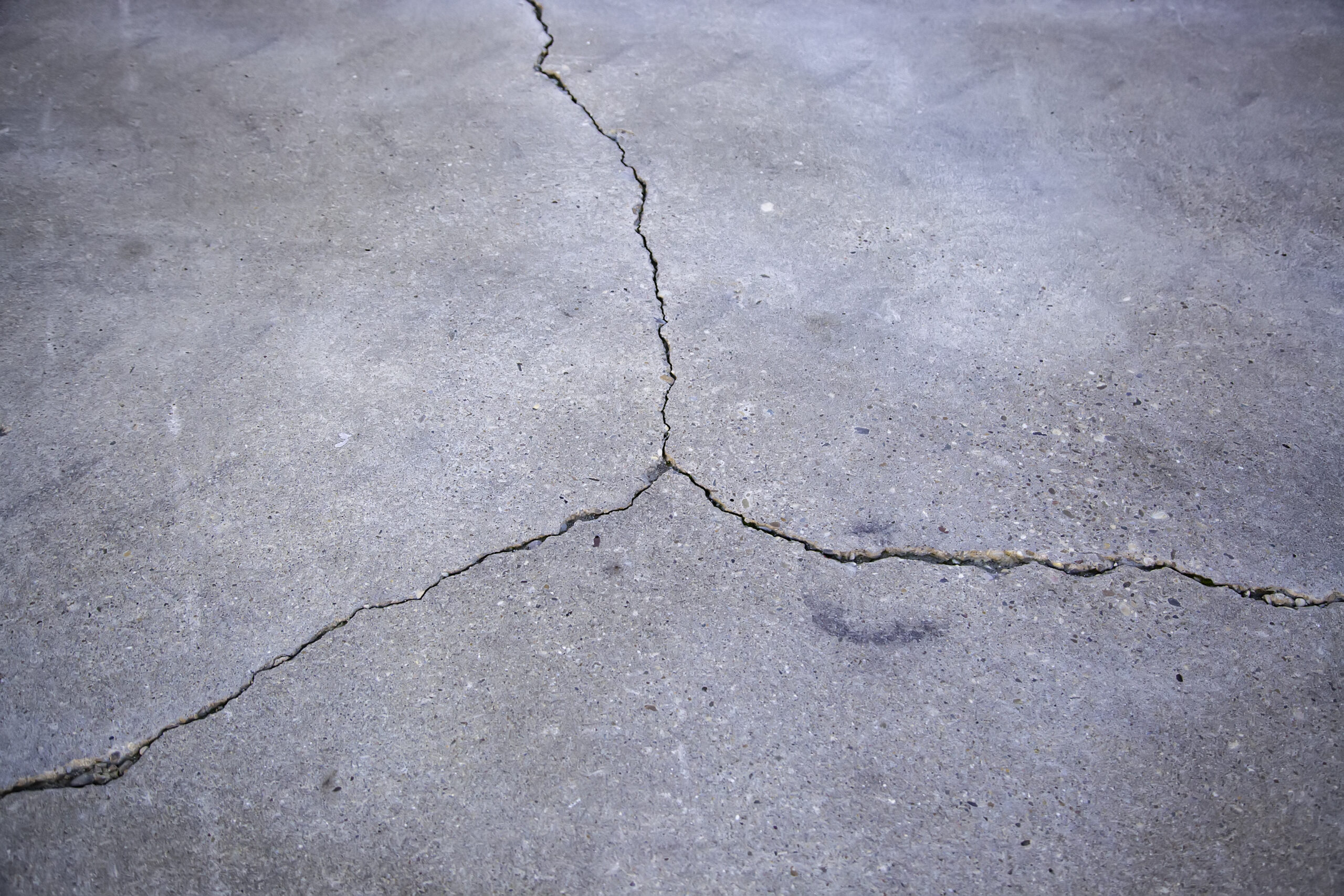
- Durability and Longevity: Given the high cost of laboratory downtime, the flooring should have a long service life and require minimal maintenance. It must resist cracking, chipping, and wear from heavy traffic.
- Safety Features: Depending on the specific lab functions, flooring may need to be slip-resistant, even when wet, or possess anti-static or conductive properties to prevent electrostatic discharge (ESD).

Flooring Solutions for Pharmaceutical Labs
Several flooring technologies have proven effective in pharmaceutical laboratory settings. Each has its strengths and limitations, and the best choice depends on the specific requirements of each individual facility.
Epoxy Resin Flooring
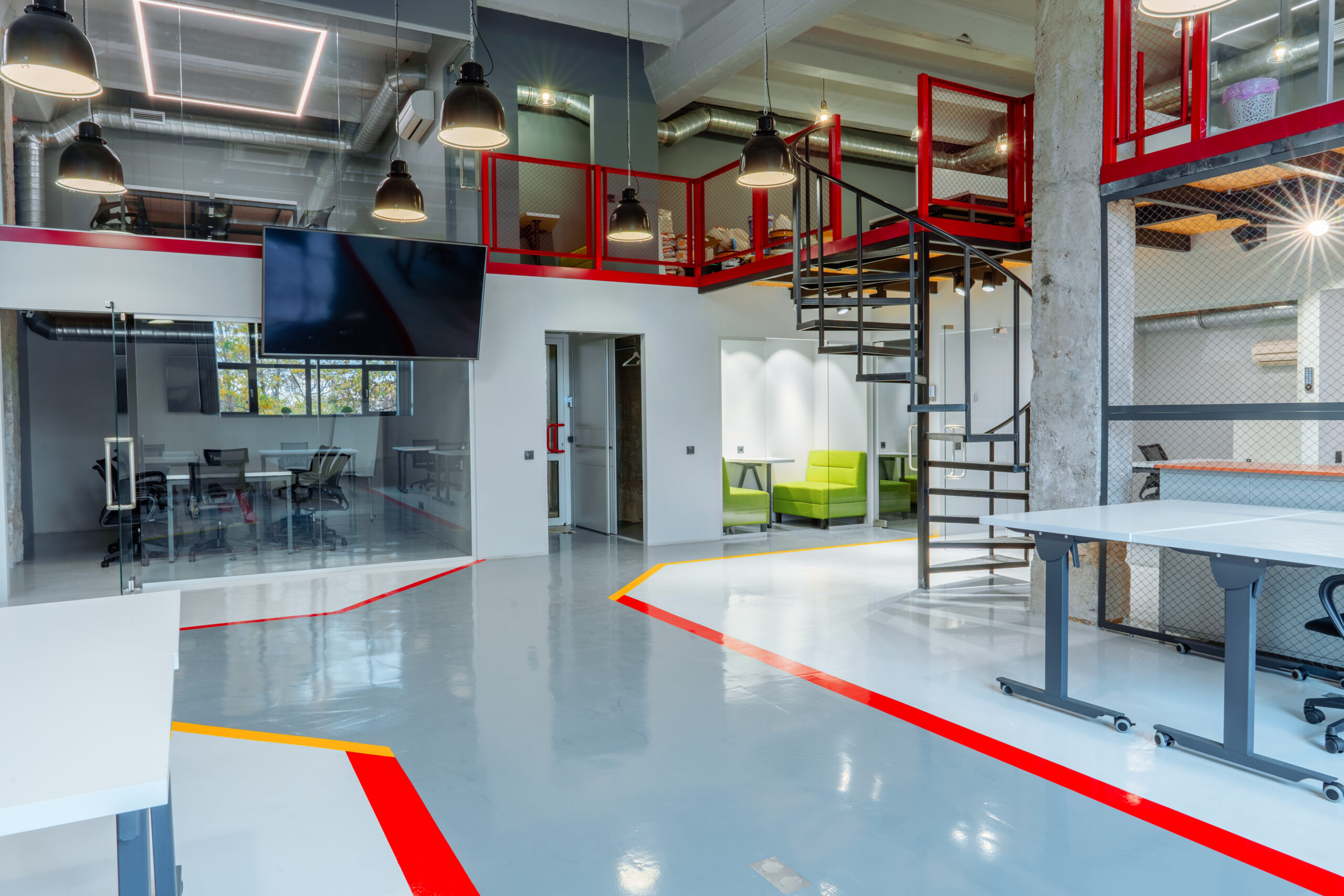
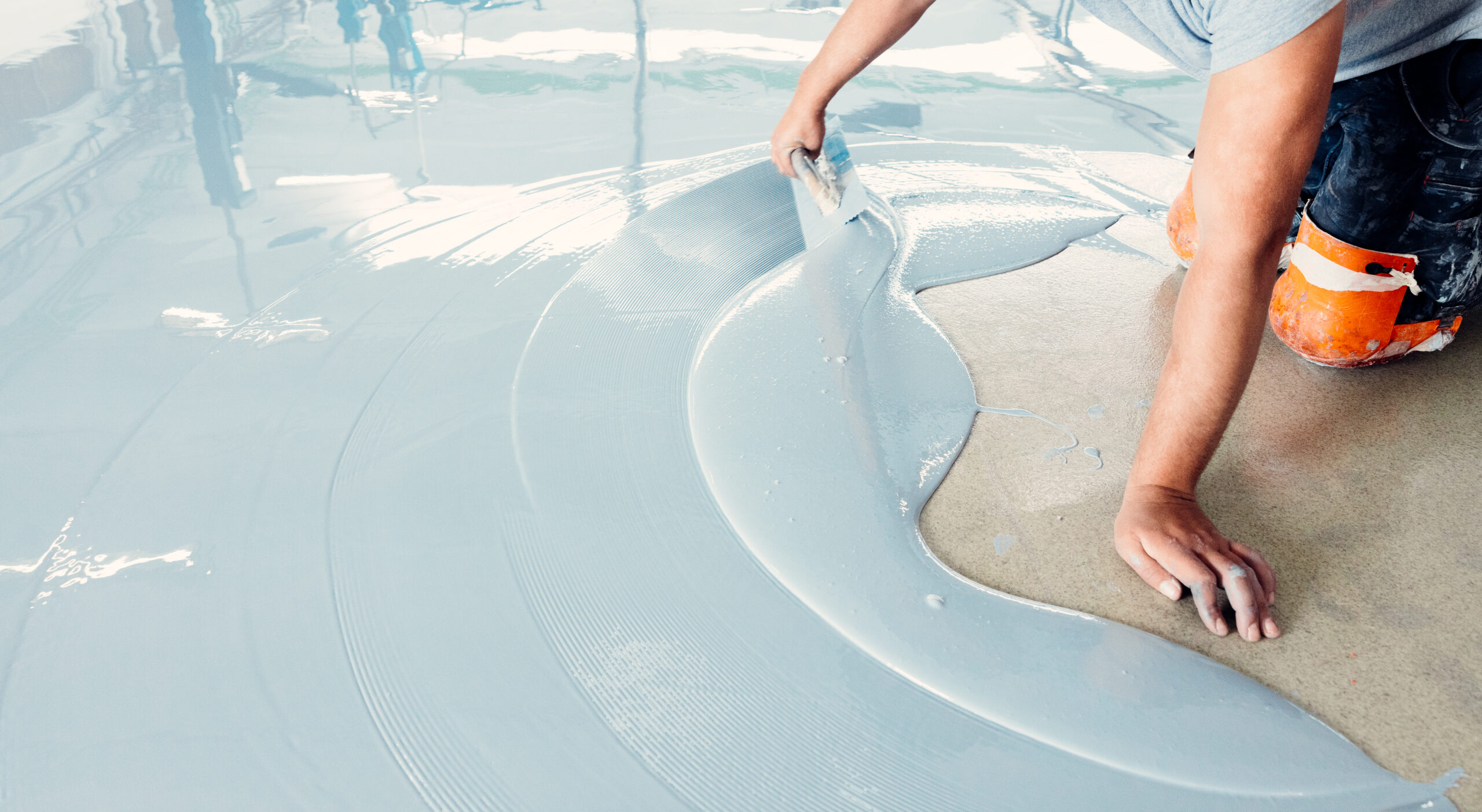
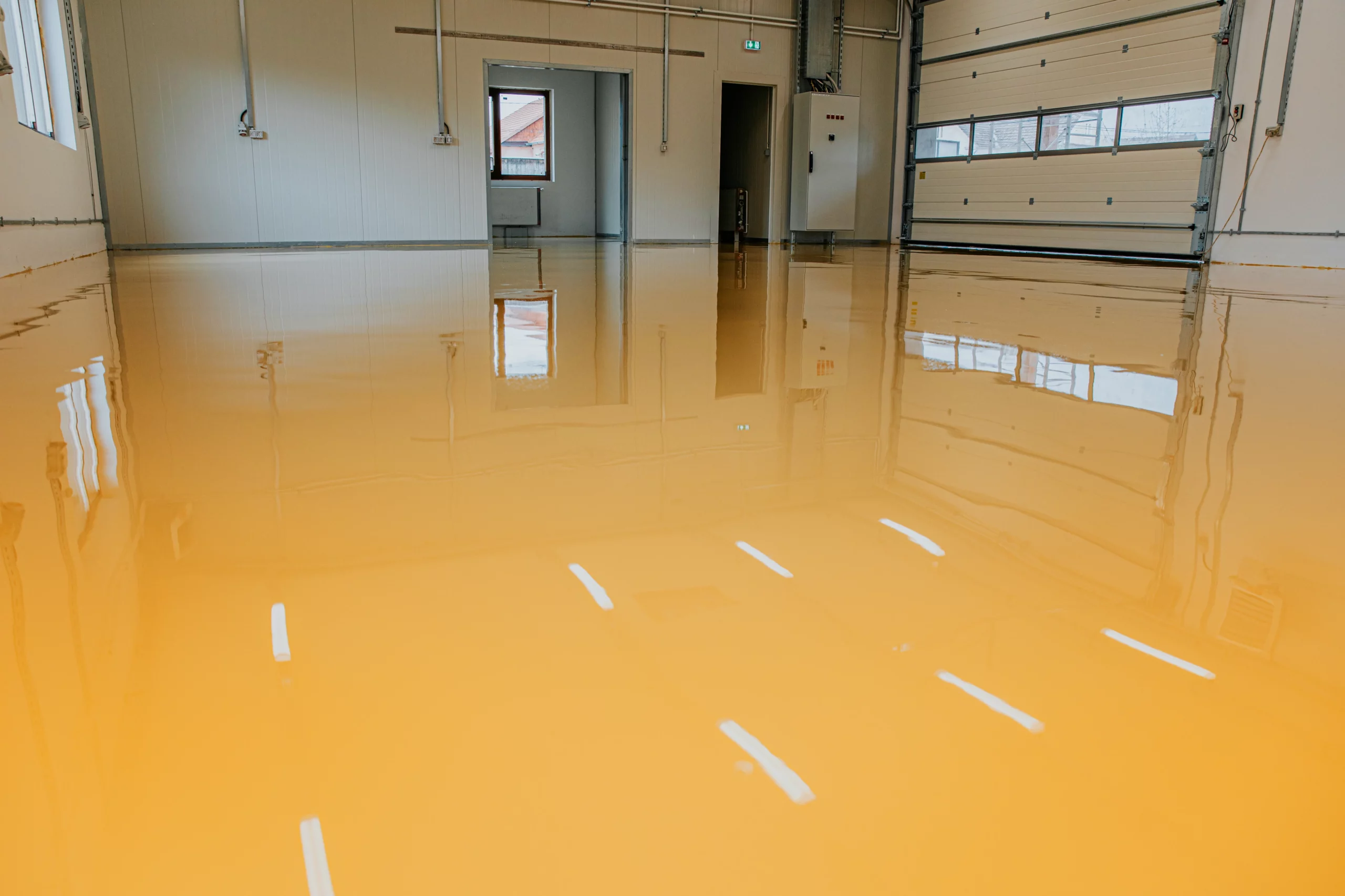
Epoxy flooring is perhaps the most widely used solution in pharmaceutical laboratories. It consists of a multi-layer system applied as a liquid that cures to form a hard, seamless surface.
Advantages:
- Exceptional chemical resistance to a broad spectrum of substances.
- Completely seamless and impermeable when installed correctly.
- Highly durable and resistant to impact and abrasion.
- Available in various finishes, including high-gloss for easy cleaning or textured for slip resistance.
Considerations:
- Professional installation is critical; poor application can lead to delamination.
- Surface preparation of the concrete substrate is essential for adhesion.
- Can be hard underfoot, though anti-fatigue mats can be used in standing areas.
Epoxy systems are particularly well-suited for laboratory areas and production zones where chemical resistance and durability are most important.
Polyurethane (PU) Flooring
Polyurethane flooring (PU) shares many characteristics with epoxy flooring. However, PU has more flexibility and thermal shock resistance.
Advantages:
- Resistance to thermal cycling, making it ideal for areas subject to frequent temperature changes.
- Excellent chemical resistance, though slightly less broad than epoxy in some formulations.
- More flexible than epoxy, reducing the risk of cracking under stress.
- Seamless and hygienic surface.
Considerations:
- Installation requires precise conditions regarding temperature and humidity.
PU flooring is often chosen for laboratories with freeze-thaw cycles or where heavy thermal shock is expected.
Installation and Maintenance Best Practices
The longevity and performance of laboratory flooring depend heavily on proper installation and maintenance.
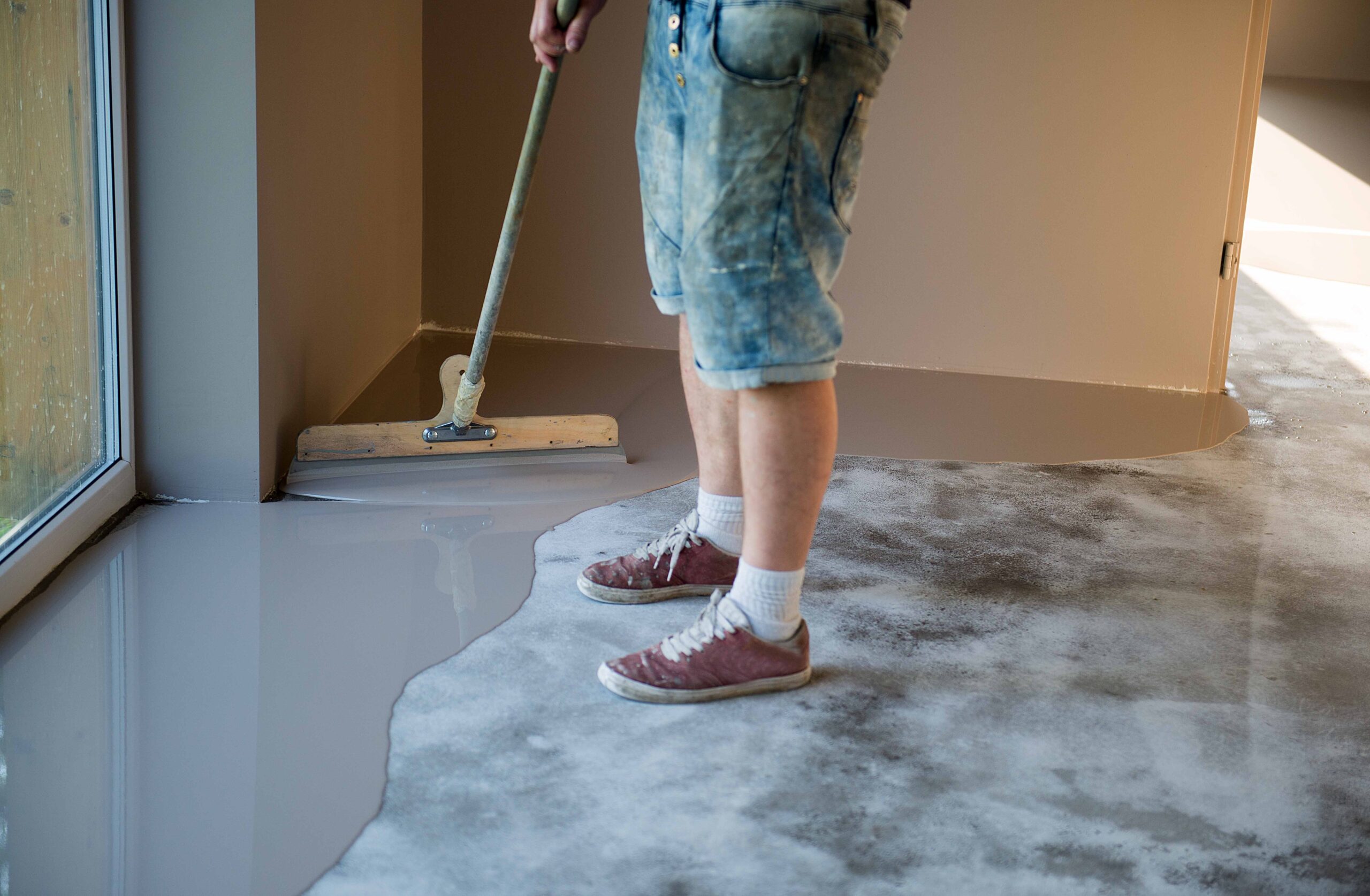
When installed, the substrate must be thoroughly prepared, including cleaning, drying, and profiling to ensure adhesion. Moisture testing is critical, as excess moisture can cause blistering or delamination. Installation should only be carried out by certified professionals with experience in laboratory environments.
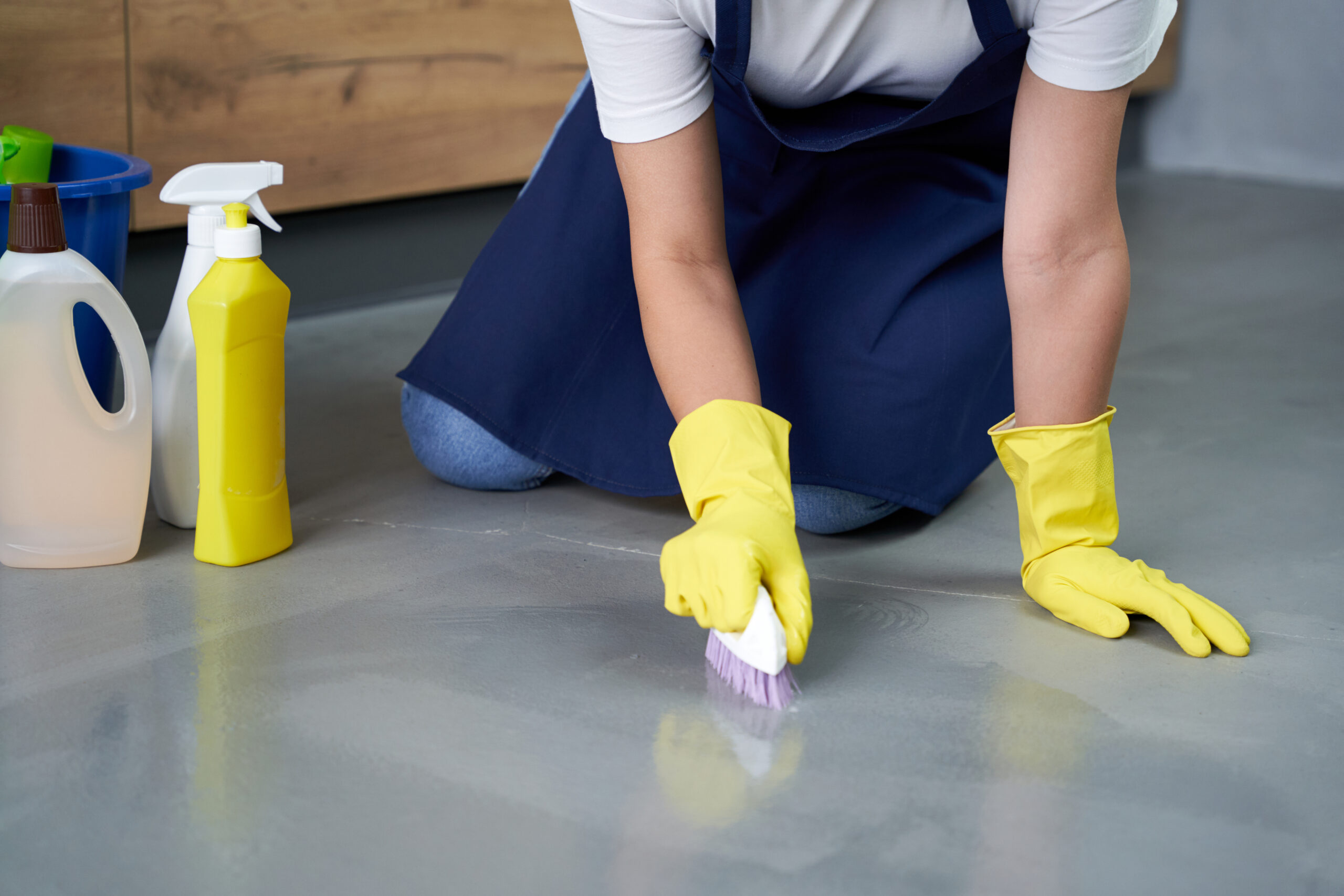
Regular cleaning and maintenance routines should be followed, using compatible cleaning agents. Avoid abrasive tools that could scratch the surface. Immediate cleanup of spills is essential, even on chemical-resistant floors. Periodic inspections should be conducted to identify any signs of wear, cracking or damage, with prompt repairs undertaken to prevent further deterioration.
Regulatory Compliance and Documentation
In the UK, pharmaceutical laboratories must comply with MHRA guidelines. Flooring selections should be documented as part of the facility’s validation process. This includes providing data sheets on chemical resistance, fire ratings, and slip resistance. During inspections, regulators may request evidence that the flooring material is suitable for its intended use and has been maintained appropriately.
Laboratory Flooring Options
Selecting the right flooring for a pharmaceutical laboratory is a decision that impacts safety, compliance, operational efficiency, and long-term costs. While epoxy resin systems remain the gold standard for most applications, there are valuable alternatives for specific challenges, such as thermal shock or rapid installation needs.
Facility managers must approach this decision carefully, considering the initial cost and the cost of maintenance and potential downtime.
Engaging with specialist flooring contractors who understand the unique demands of pharmaceutical environments is essential to ensure a successful outcome. Investing in the right flooring solution helps to protect your research, safeguard your personnel, and keep your facility compliant.