What Can Epoxy Resin Flooring Go Over?
1 October 2026
When considering a new flooring solution for commercial or industrial premises, one of the most common questions is: what can epoxy resin flooring go over? Understanding the right surface for epoxy installation is essential to achieving a long-lasting finish.
Epoxy resin is an incredibly versatile flooring system, but its success depends on the condition of the substrate beneath it as well as the quality of the resin itself.
What Is Epoxy Resin Flooring?
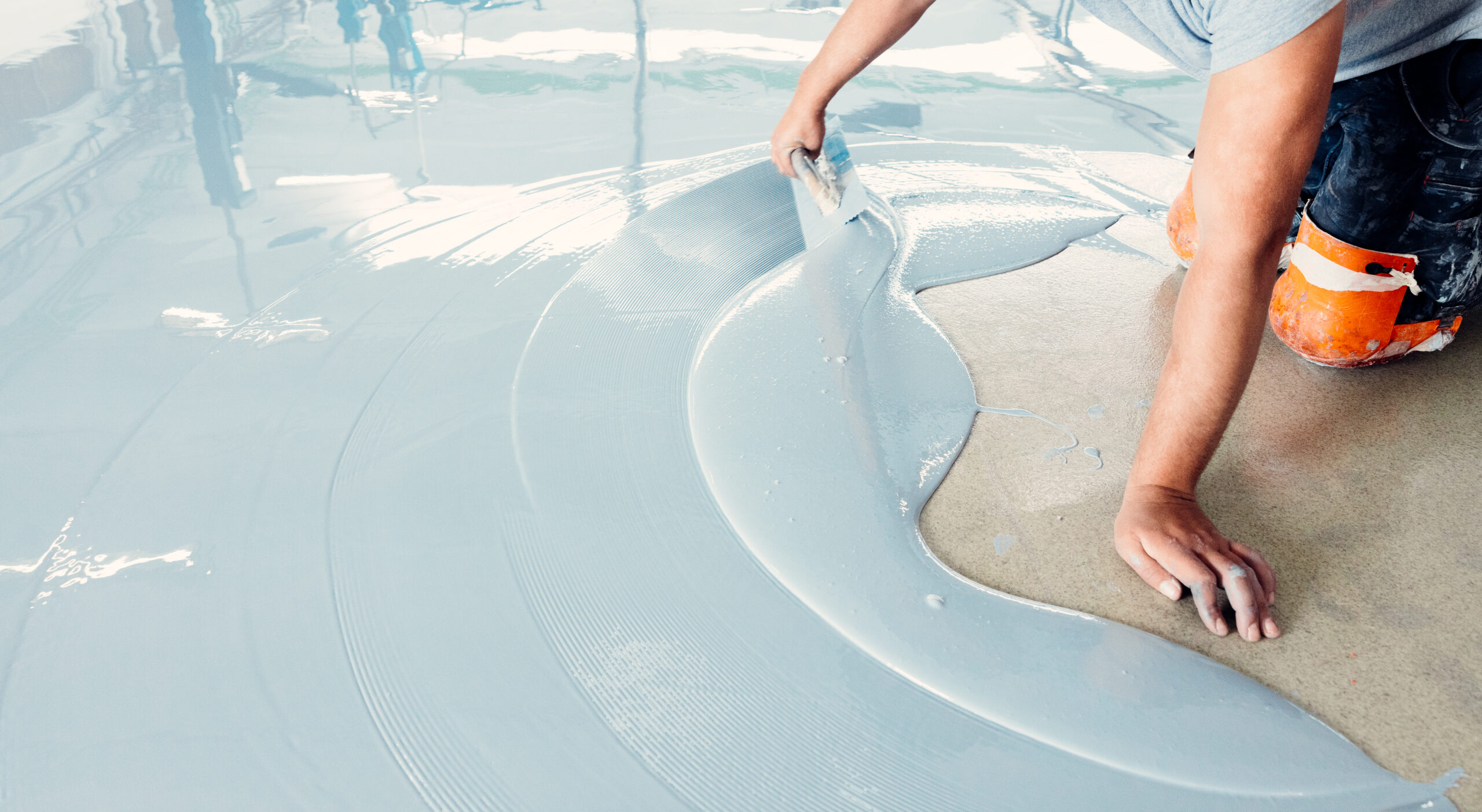
Epoxy resin flooring is a durable flooring system created by combining epoxy resin with a hardener. Once mixed, the two components form a strong, seamless surface that bonds firmly to the prepared substrate.
Unlike standard floor paint, epoxy resin creates a protective coating that offers excellent resistance to:
- Heavy foot traffic
- Forklift and vehicle movement
- Chemicals and oils
- Abrasion and impact
- Moisture
- Daily wear and tear
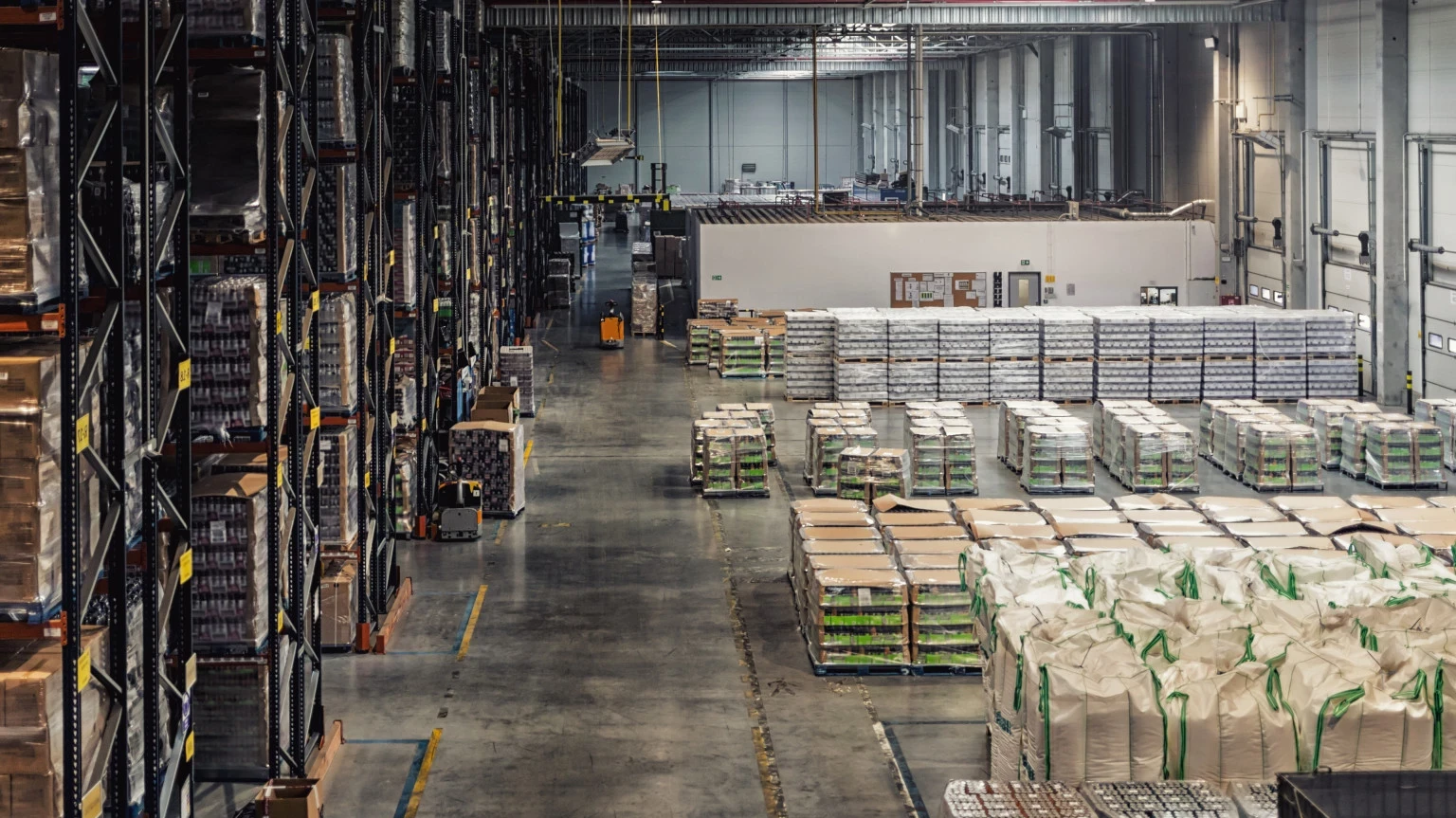
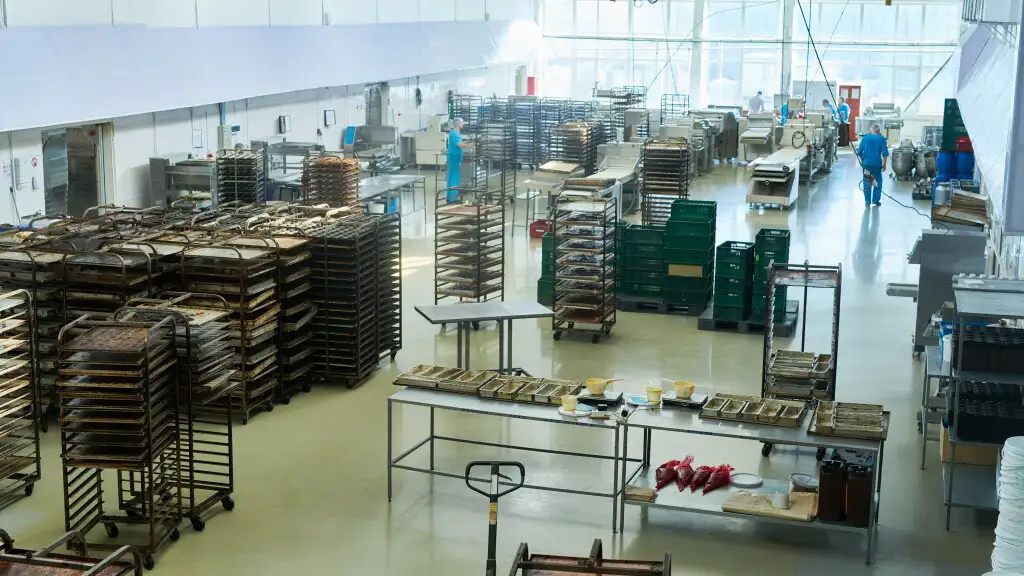
Its sturdiness, hygiene and ease of maintenance make it a popular flooring solution for warehouses, factories, commercial kitchens, garages and retail environments.
Can You Use Epoxy Resin on Floors?
Epoxy resin has been designed specifically as a flooring system for commercial and industrial environments.
However, the more accurate question is: Can your existing floor support epoxy resin? The answer depends on several factors, including:
- The type of existing floor
- Its structural condition
- Moisture levels
- Surface contamination
- Existing coatings or sealers
- The amount of preparation required
Professional installers will always assess the existing substrate before recommending the most appropriate epoxy flooring system.
What Can Epoxy Resin Flooring Go Over?
Epoxy resin flooring is compatible with many different surfaces when properly prepared.
Concrete Floors
Concrete is the most common substrate for epoxy flooring. Provided the concrete is structurally sound, fully cured, free from contamination, and correctly prepared through grinding or shot blasting, then it provides an excellent base for epoxy resin.
Concrete and epoxy work very well together because the resin penetrates the prepared surface, creating a strong bond that can last for a long time.
Older concrete floors can often be repaired before installation, making epoxy an excellent refurbishment solution rather than requiring complete replacement.
Existing Resin Floors
In many cases, new epoxy coatings can be installed over existing resin flooring. It depends on whether the original floor remains firmly bonded and structurally sound. If the existing coating has only minor wear or damage, installers can repair damaged sections, prepare the surface, and apply a fresh epoxy coating.
This restores the appearance and performance of the flooring while reducing installation costs. However, if widespread delamination or moisture issues exist, the old coating may need to be removed first.
Floor Screeds
Many commercial buildings contain cement or resin screeds beneath their final floor finish. These screeds often provide an ideal substrate for epoxy resin flooring provided they have fully cured, reached acceptable moisture levels, and been mechanically prepared.
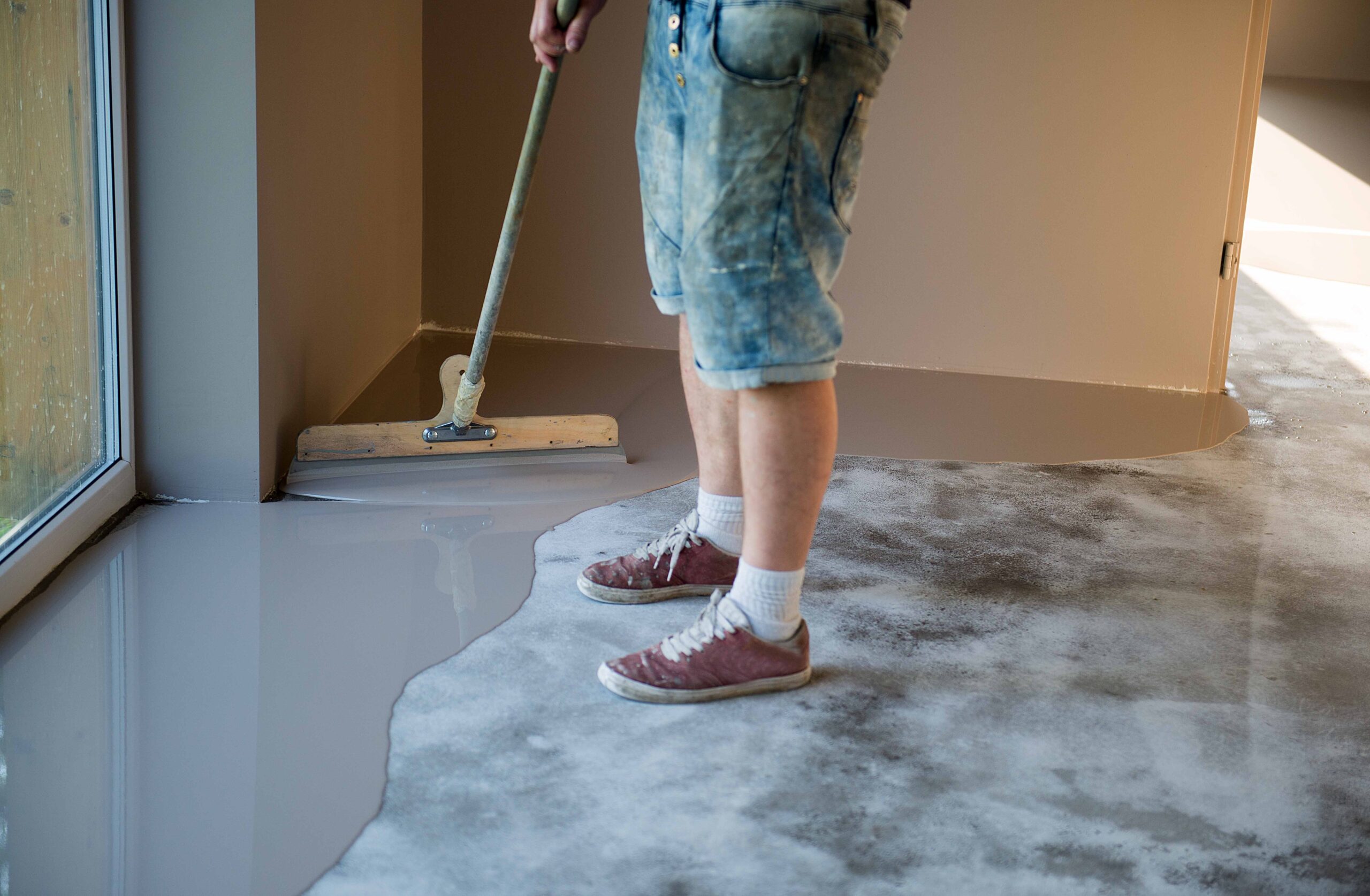
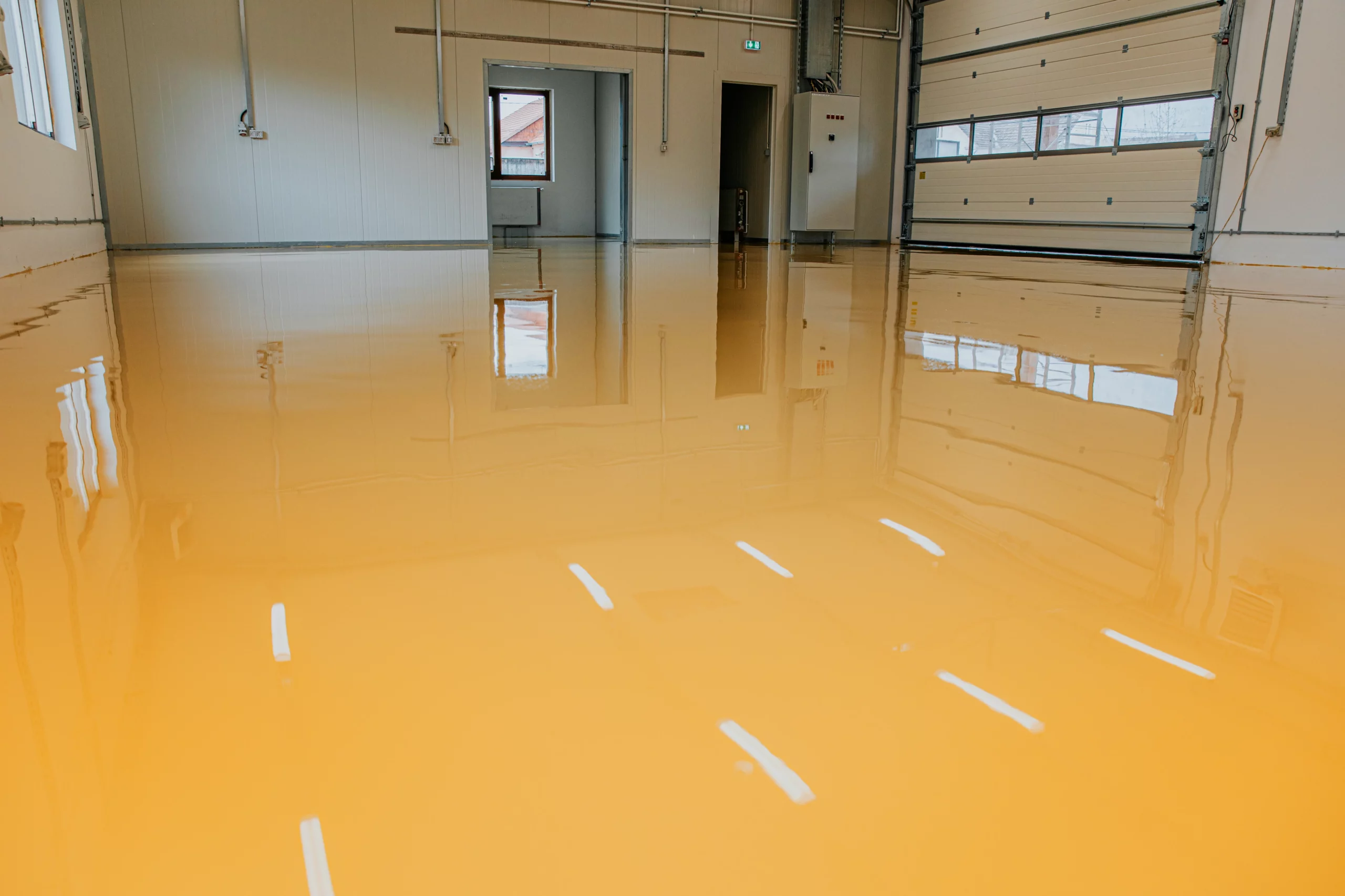
Self-smoothing epoxy systems are particularly effective over well-prepared screeds because they create a seamless finish across large floor areas.
Asphalt and Tarmac
Epoxy resin can also be applied over asphalt or tarmac in suitable applications. These surfaces require specialist preparation because asphalt remains slightly flexible while epoxy cures to a rigid finish.
Experienced installers will assess movement within the substrate before recommending the correct resin system. Certain epoxy and polyurethane systems perform well where slight flexibility is required.
Metal Surfaces
Epoxy resin coatings can also be applied to certain metal surfaces. They’re commonly used to protect:
- Steel walkways
- Plant rooms
- Mezzanine structures
- Industrial equipment platforms
The metal must be thoroughly prepared to remove corrosion, grease and existing coatings before application. Appropriate primers are usually required to ensure excellent adhesion.
Ceramic Tiles
Epoxy can be poured over tiled floors, provided the tiles remain firmly bonded. Loose or damaged tiles must be repaired before installation. Professional preparation includes:
- Deep cleaning
- Degreasing
- Grinding the glazed surface
- Filling grout lines where necessary
Once prepared, epoxy resin creates a seamless finish that completely changes the appearance of the tiled floor.
Floors That May Not Be Suitable
Although epoxy is highly versatile, there are situations where installation may not be recommended. These include:
- Damp or Moisture-Affected Floors: Excessive moisture is one of the leading causes of epoxy failure. Moisture rising through concrete can cause bubbling and peeling. Professional moisture testing should always be carried out before installation.
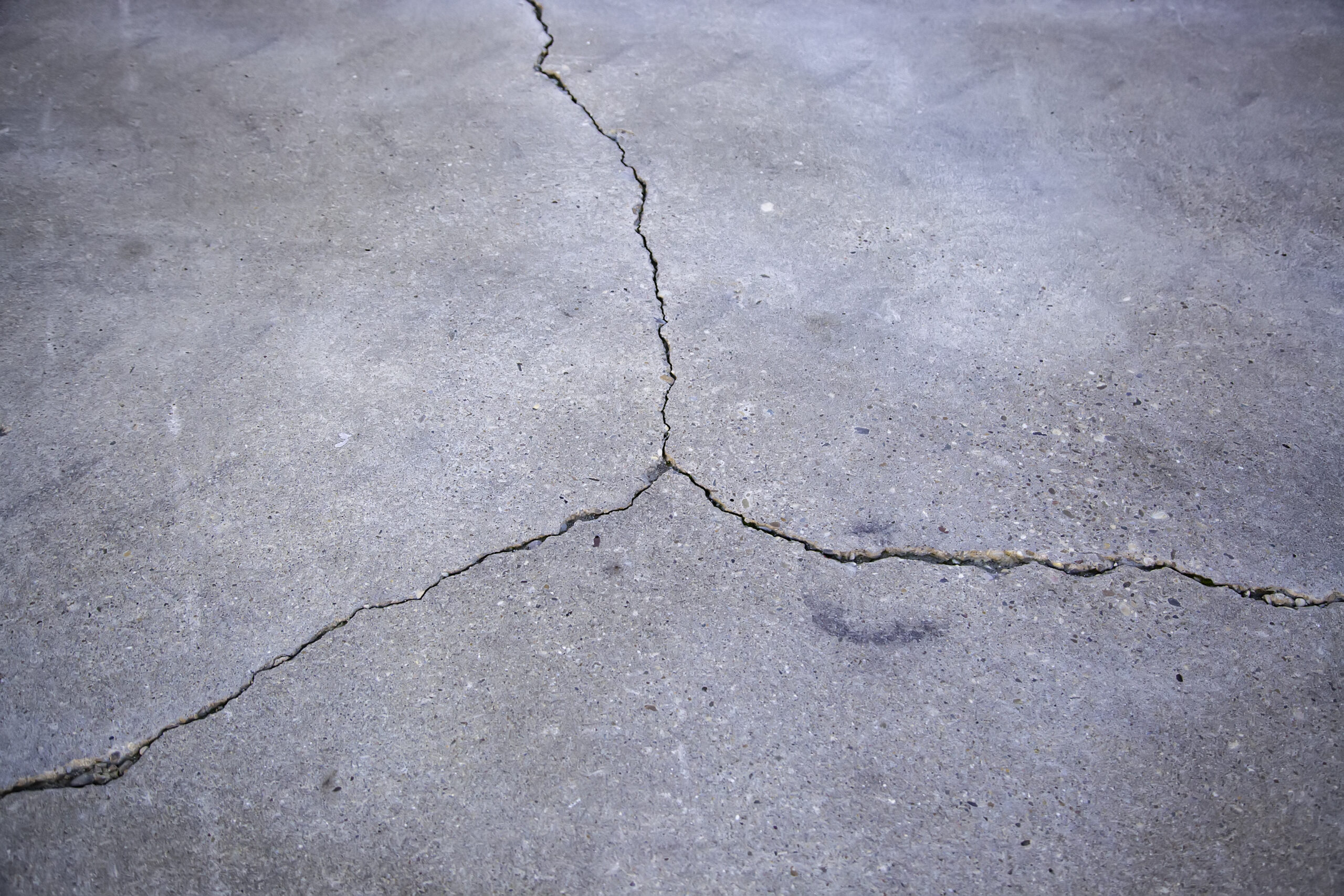
- Crumbling Concrete: Epoxy is only as strong as the substrate beneath it. If the existing concrete is weak, cracked or breaking apart, repairs may be required before resin installation.
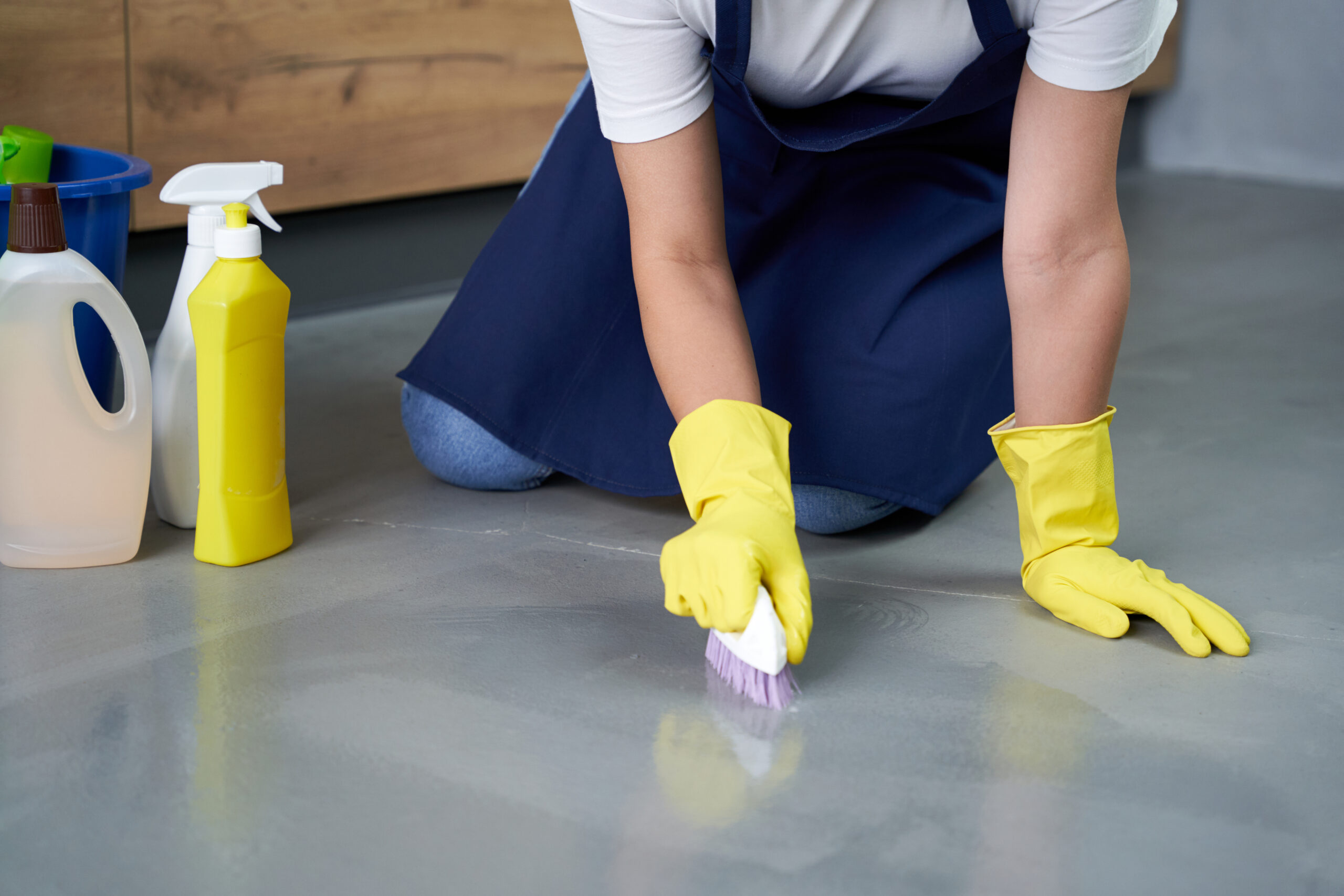
- Contaminated Surfaces: Years of oil, grease or chemical contamination can prevent proper adhesion. Mechanical surface preparation removes contaminated surface layers, ensuring the epoxy bonds directly with sound material underneath.
Can Epoxy Resin Be Used as Flooring in Every Industry?
Epoxy flooring systems are widely installed in:
- Warehouses
- Manufacturing facilities
- Food production areas
- Commercial kitchens
- Car parks
- Retail units
- Healthcare facilities
- Laboratories
Different grades of epoxy can be selected depending on the environment, with options including anti-slip finishes, chemical-resistant coatings and decorative systems.
The Benefits of Installing Epoxy Over Existing Floors
Where the existing substrate is suitable, installing epoxy over an existing floor offers several advantages.
- Reduced Downtime: Removing an old floor can significantly increase project times. So, installing directly over a prepared substrate helps to minimise disruption.
- Lower Costs: Retaining the existing floor can reduce labour, disposal and material costs.
- Less Waste: Refurbishing rather than replacing contributes to a more sustainable project by reducing construction waste.
- Improved Performance: Even ageing concrete can be changed into a modern, durable, seamless surface with the correct epoxy system.
Epoxy Resin Floors
Epoxy resin floors can go over concrete, screeds, existing resin floors, tiles, asphalt and even metal when properly assessed and prepared. Successful installation always begins with careful preparation and choosing the right flooring system for your environment.
Our experienced team assesses every floor individually to recommend the most suitable epoxy resin system. We can help you to refurbish an existing warehouse floor or upgrade a busy workspace and deliver professional resin flooring solutions built to withstand the demands of daily use. Contact us for a flooring quote for your space.