How to Prevent a Cracked Floor: A Guide for Commercial and Industrial Flooring
17 September 2026
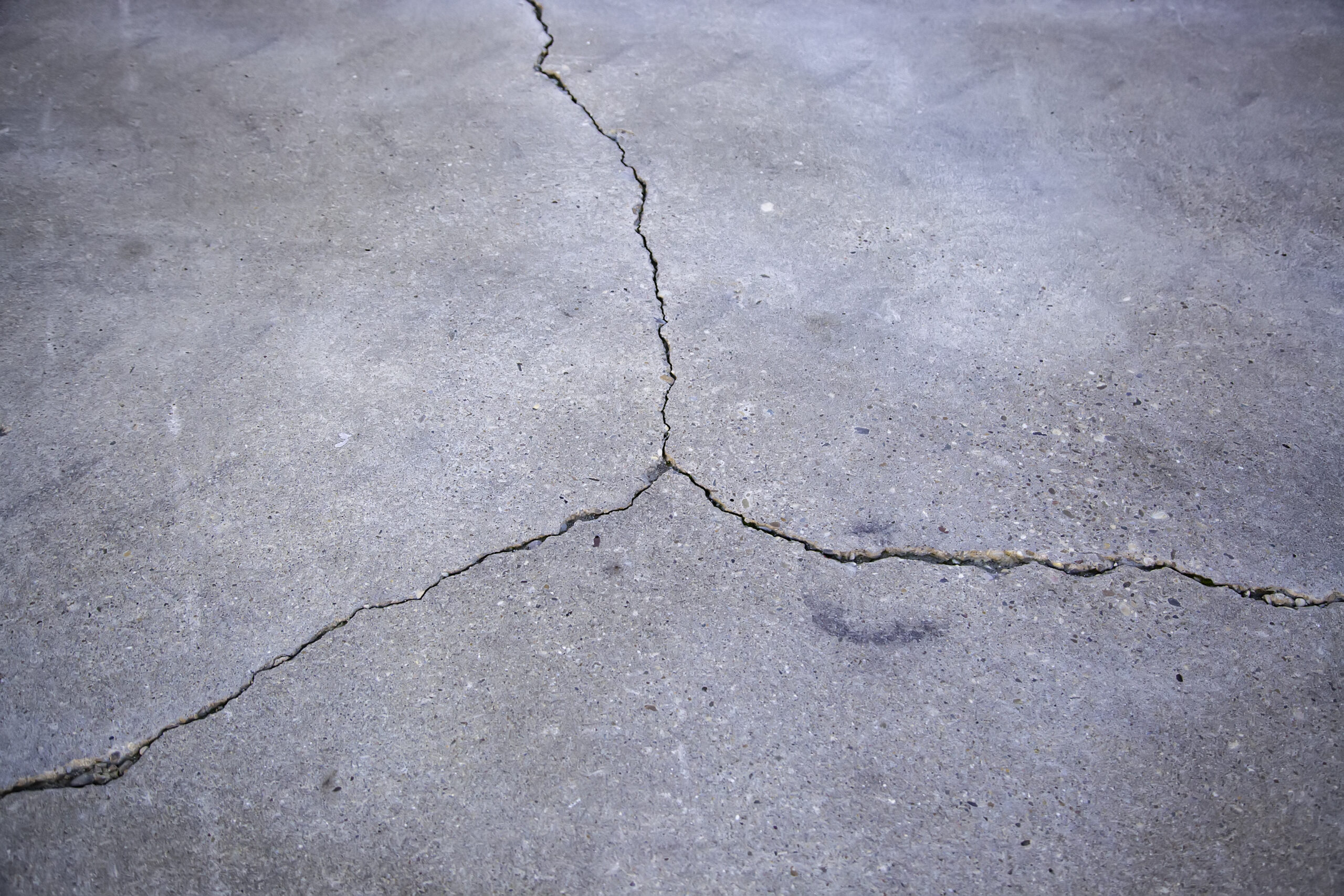
A cracked floor can be more than an aesthetic issue; cracks can create trip hazards, allow moisture to seep in, increase maintenance costs, and shorten the lifespan of the flooring system. While some cracked floors are caused by natural movement in the building structure, many problems can be prevented through proper design, installation and ongoing maintenance.
Whether you have epoxy resin flooring, vinyl flooring, polished concrete or polyurethane systems, understanding the causes of cracking can help you to avoid costly repairs.
Why Do Floors Crack?
Before looking at prevention methods, it’s important to understand why we end up with cracked floors in the first place. Common causes include:
- Poor subfloor or surface preparation
- Movement or settlement of the building
- Thermal expansion and contraction
- Excessive moisture in the substrate
- Heavy impact or point loading
- Incorrect installation techniques
- Age-related wear and deterioration
Many flooring failures originate beneath the surface, which is why preparation is often the most important stage of any flooring project.
Start with Proper Subfloor Preparation
The condition of the substrate plays a significant role in the long-term performance of any flooring system. Concrete subfloors should be clean, dry, level, and structurally sound before any floor covering is installed.
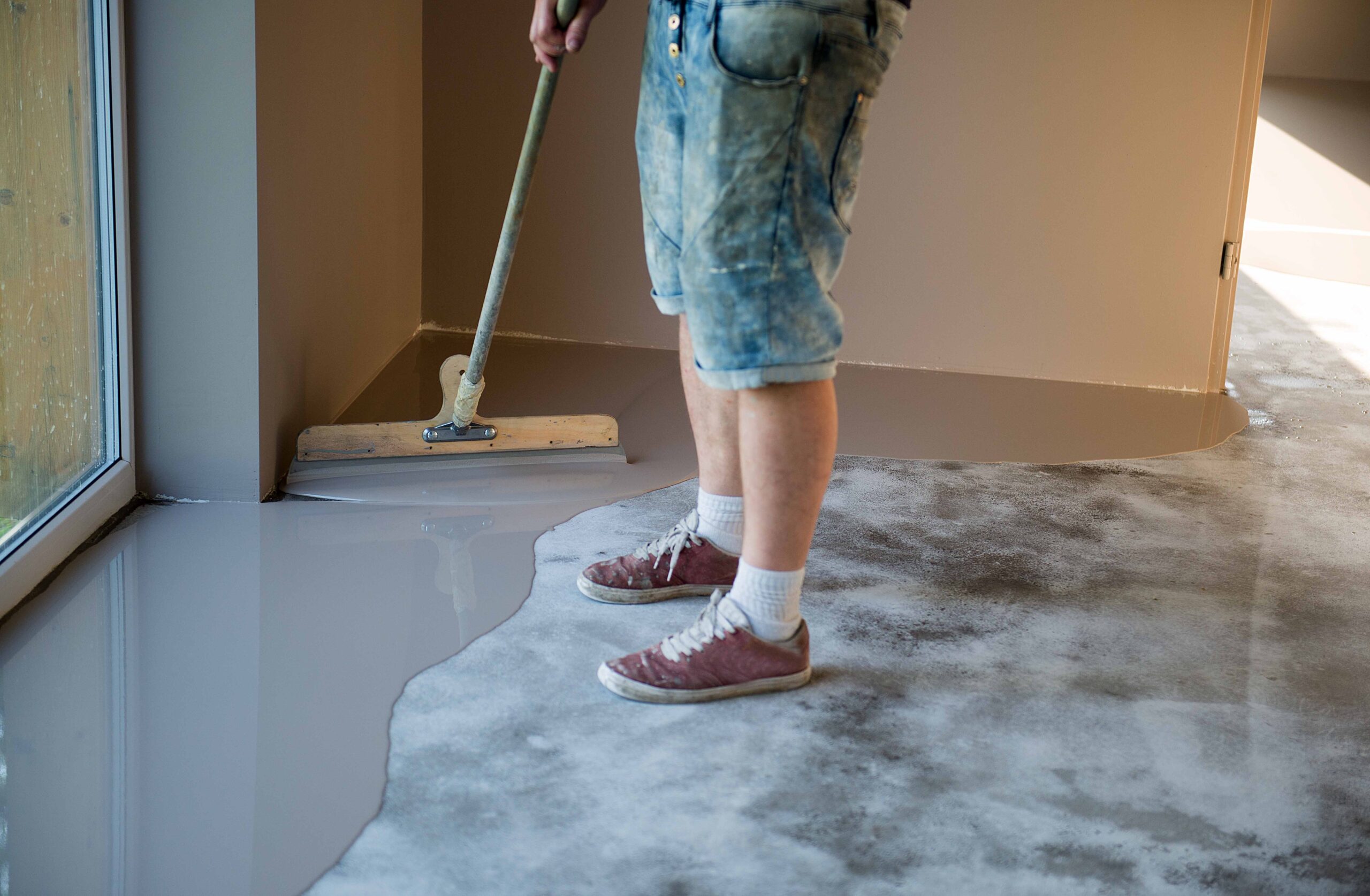
Cracks, weak areas, contamination, and moisture issues should be identified and addressed before installation begins. High-quality floor screeding can help create a stable and level surface, reducing the likelihood of future movement that could affect the finished floor.
Preventing Cracks in an Epoxy Resin Floor Coating
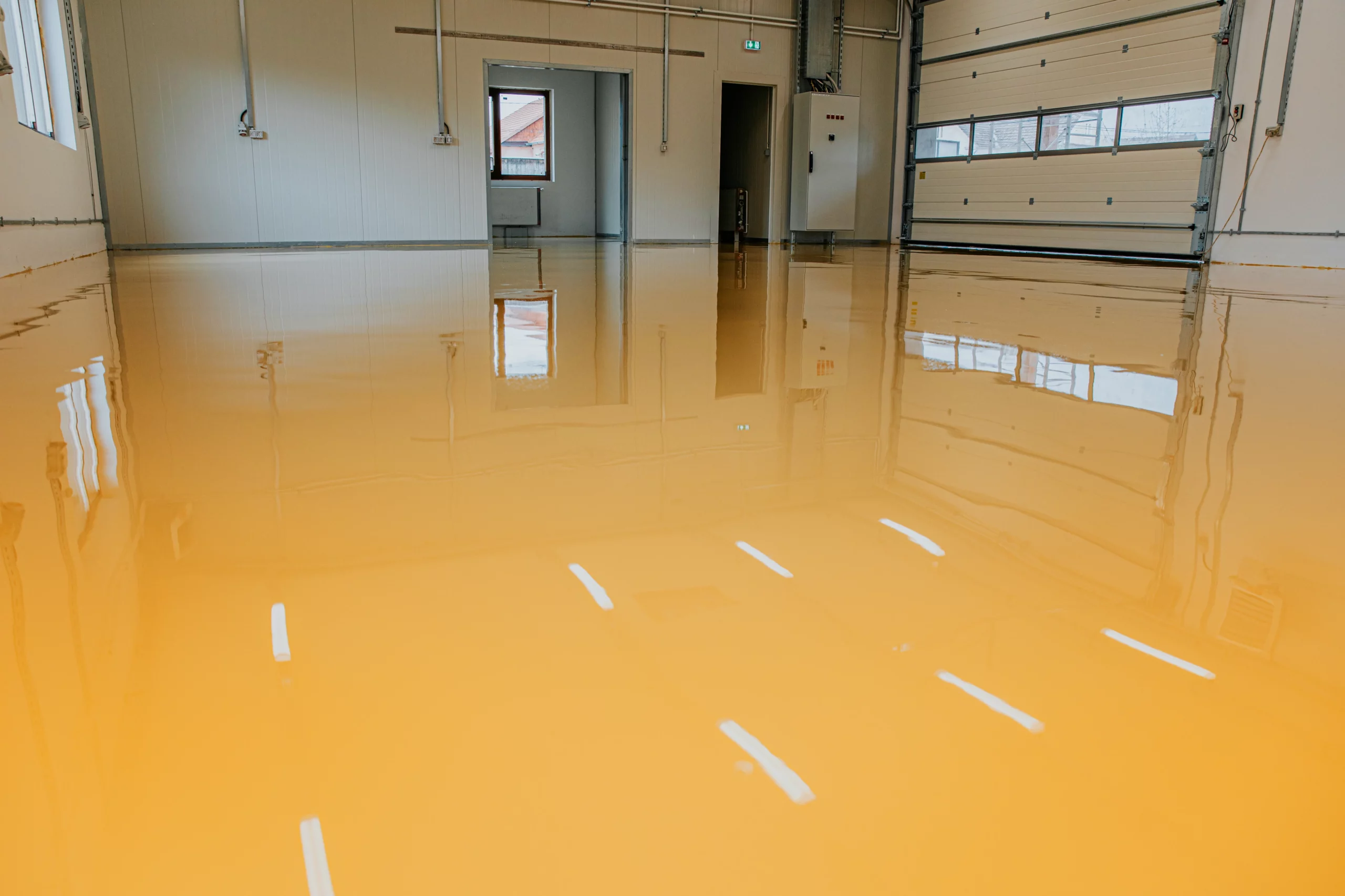
Epoxy resin flooring is known for its durability, but it can still crack if the substrate beneath it moves or deteriorates. Resin floors do not typically crack independently; instead, they often reflect existing cracks in the concrete below.
To minimise the risk:
- Repair substrate cracks before installation.
- Ensure the concrete has fully cured.
- Install appropriate movement joints.
- Use the correct resin system for the expected traffic and loading.
- Address moisture issues before applying the resin coating.
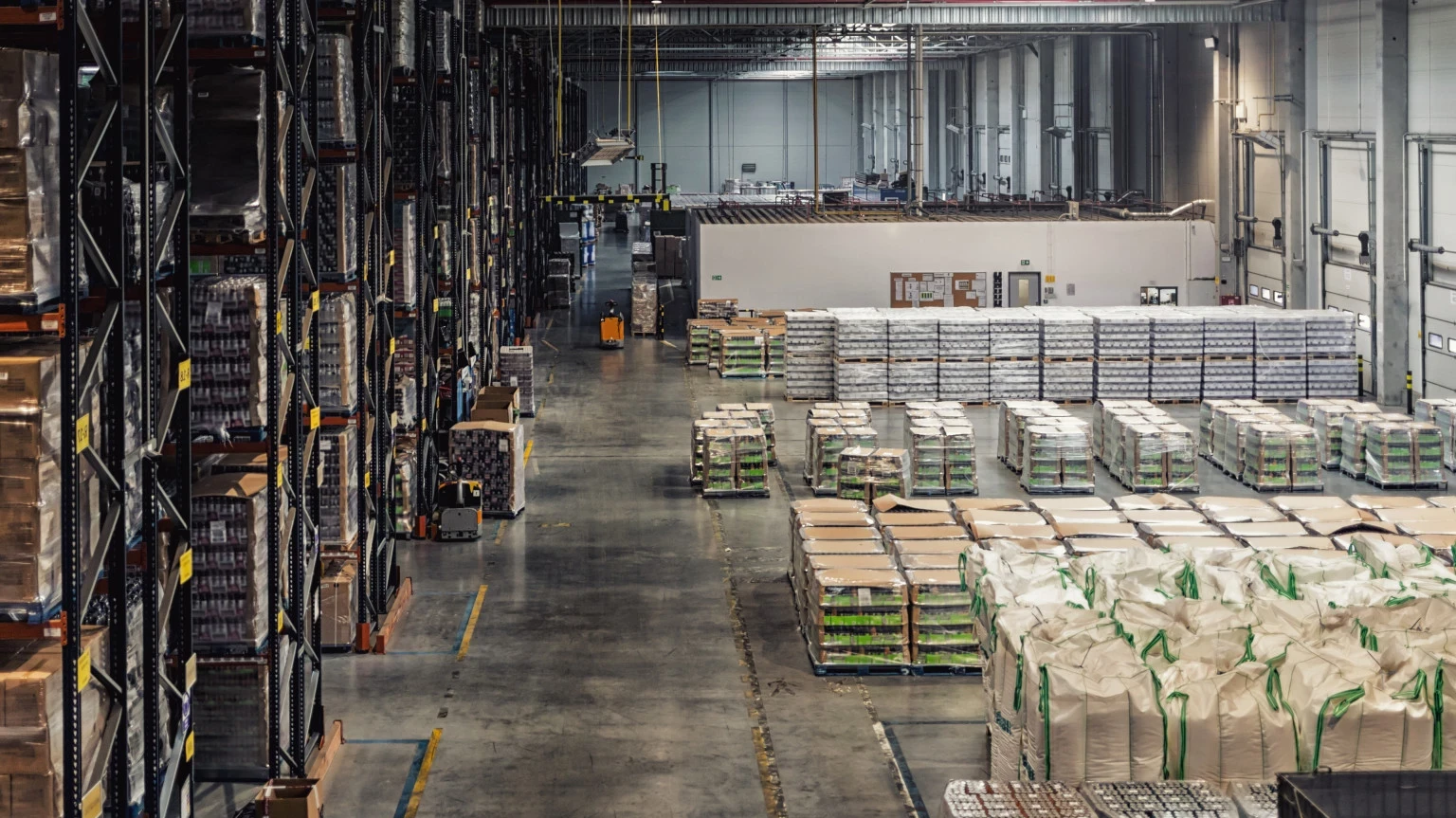
Facilities that experience heavy machinery traffic, pallet truck movement, or thermal fluctuations should ensure the flooring specification is suitable for the operating environment.
Can You Repair a Cracked Resin Floor?
If you already have a resin floor with cracks, don’t worry, it IS possible to make resin floor repairs. This is typically done by cleaning out the area and filling in any cracks. In some cases, this can be a DIY job, but for larger repairs, we recommend utilising professional floor specialists.
Ultimately, there is no better alternative to good preparation. With good preparation, you can limit the possibility of cracks and the need for resin floor repairs.
Preventing Cracks in Vinyl Flooring
Vinyl flooring offers flexibility and durability, but imperfections in the subfloor can quickly become visible through the finished surface. Cracks in the substrate can transfer through vinyl flooring over time, especially in high-traffic areas.
To prevent cracking and damage:
- Ensure the subfloor is smooth and level.
- Use appropriate smoothing compounds where necessary.
- Control moisture levels before installation.
- Avoid dragging heavy equipment across the floor.
- Maintain stable temperatures where possible.
Regular inspections can help to identify early signs of damage before they develop into larger problems.
Can You Repair a Cracked Vinyl Floor?
As with cracked floor resin, it is very doable to repair a cracked vinyl floor. This is usually done by cleaning the area, applying a sealant and then wiping away the excess.
Preventing Cracks in Polished Concrete Floors
Polished concrete is increasingly popular in commercial premises due to its durability and low maintenance requirements. However, because concrete naturally shrinks as it cures, some cracking can occur if preventative measures are not taken.
Best practices include:
- Installing expansion joints to manage movement.
- Using the correct concrete mix.
- Allowing adequate curing time.
- Avoiding excessive loads before full strength is achieved.
- Monitoring moisture and temperature during installation.
While hairline cracks are often cosmetic, larger structural cracks should be assessed and repaired promptly.
Can You Repair a Cracked Concrete Floor?
Yes, you can fix a cracked concrete floor. For fine cracks, the process is similar to fixing cracks in resin or vinyl; you clean out the area and fill it with an epoxy sealant. But for large cracks and other types of damage, it’s best to get a professional to make an epoxy mortar repair.
Preventing Cracks in Polyurethane Flooring
Polyurethane flooring systems are commonly used in food production facilities, commercial kitchens, and manufacturing environments. This is due to their flexibility and thermal shock resistance. To maximise their lifespan:
- Ensure proper substrate preparation.
- Select a system designed for the operating conditions.
- Avoid excessive impact loading.
- Maintain expansion joints.
- Repair substrate issues before they affect the surface finish.
Because polyurethane systems are generally more flexible than epoxy resin floors, they can often accommodate minor substrate movement more effectively.
Can You Repair a Cracked Polyurethane Floor?
As with the previously mentioned floors, it is possible to fix a polyurethane floor by cleaning it out and then sealing it. A polyurethane sealant or epoxy filler will work perfectly. However, if the area is prepared properly, this shouldn’t be necessary for a very long time. It is much more practical to ensure a floor is laid to a high standard, as prevention is always better than repairing as you go.
Ongoing Maintenance Matters
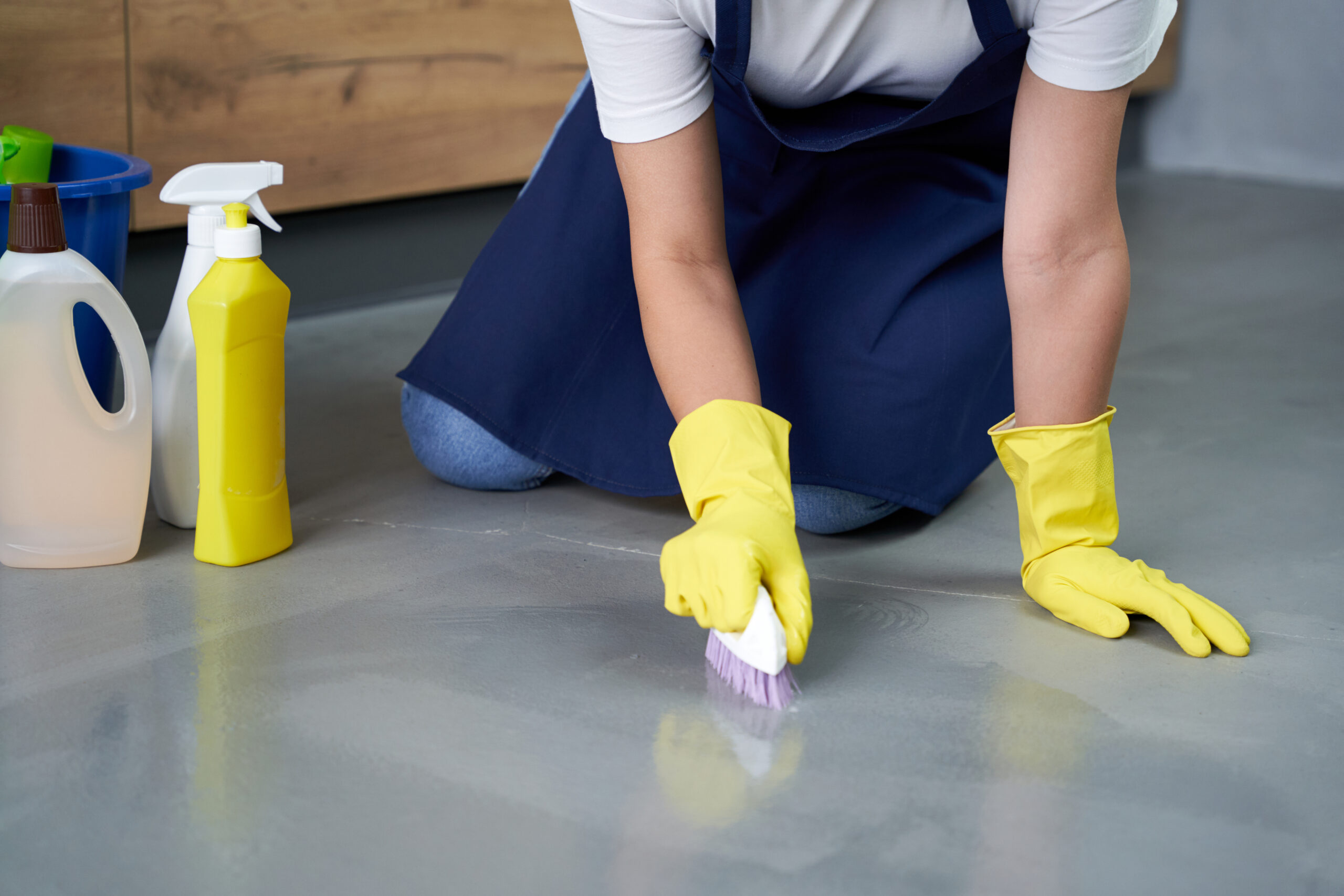
Even the highest-quality flooring system requires regular maintenance. Routine inspections can identify small cracks, joint failures, or signs of substrate movement before significant damage occurs.
Implementing a preventative maintenance programme can help to:
- Extend floor lifespan.
- Reduce repair costs.
- Improve workplace safety.
- Maintain a professional appearance.
- Minimise operational disruption.
Addressing minor issues early is almost always more cost-effective than carrying out extensive floor repairs or replacement work.
Protect Your Flooring Investment
As we’ve covered, it is entirely possible to repair cracked floors, but prevention is key. Proper subfloor preparation, selecting the right flooring system, professional installation and regular maintenance all play an important role in achieving long-lasting performance.
Whether you’re considering epoxy resin flooring, vinyl flooring, polished concrete, or polyurethane systems, working with experienced commercial flooring contractors can help ensure your floor remains safe, durable, and crack-free for years to come.